

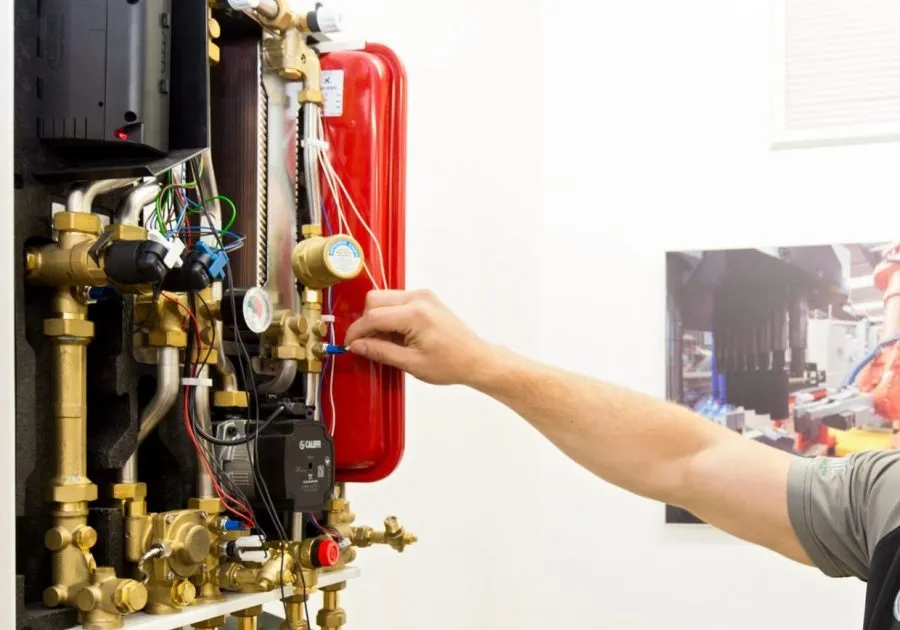
Modern buildings depend on reliable heating and hot water systems to provide comfort throughout the year. In many residential developments, apartment blocks, and mixed-use properties, Heat Interface Units (HIUs) play an important role in transferring heat from a communal or district heating network into individual properties. Like any mechanical system, an HIU requires appropriate care, inspection, and maintenance to continue operating effectively.
Regular HIU service London can help property owners, landlords, building managers, and residents identify potential issues before they become disruptive problems. Understanding how heating system care works also makes it easier to plan maintenance, manage operating costs, and maintain consistent indoor comfort.
What Is an HIU?
A Heat Interface Unit is a device that connects a property to a communal or district heating system. Instead of producing heat independently inside each apartment, the HIU transfers thermal energy from the central network to provide heating and domestic hot water.
The unit generally contains several components designed to control heat transfer, water flow, temperature, and pressure. Depending on the system design, it may include heat exchangers, valves, strainers, sensors, meters, and control mechanisms.
Because several components work together, an issue with one part can affect overall performance. This is why planned maintenance is an important part of heating system care.
Why Regular HIU Maintenance Matters
Heating equipment can experience gradual wear even when there are no obvious warning signs. Components may become dirty, valves can develop faults, filters can become restricted, and sensors may provide inaccurate readings.
Regular HIU service London provides an opportunity to inspect the system and identify developing issues. Early attention may prevent a relatively small problem from becoming a major heating or hot water failure.
Routine maintenance can also help property managers understand the condition of their equipment. Instead of responding only when residents report problems, managers can take a more proactive approach to heating system management.
Supporting Reliable Heating
One of the primary goals of HIU maintenance is reliable operation. Residents expect radiators, underfloor heating systems, and hot water outlets to work when required.
An HIU that is correctly maintained can operate more consistently and help reduce unexpected interruptions. During colder periods, this becomes especially important because heating systems may be used more frequently and for longer periods.
Maintaining Hot Water Performance
HIUs are commonly responsible for providing domestic hot water as well as space heating. If components such as heat exchangers, valves, or temperature sensors are not functioning correctly, hot water performance may be affected.
Professional servicing can help identify issues that could influence water temperature, flow, or availability. Addressing these concerns early can contribute to a more dependable hot water supply.
Key Components That Need Attention
Effective heating system care involves more than checking whether the system turns on and off. Different HIU components should be assessed according to the manufacturer’s recommendations and the property’s heating system requirements.
Heat Exchangers
Heat exchangers transfer thermal energy between circuits without directly mixing the fluids. Over time, deposits or contamination can affect heat transfer efficiency.
Inspection and appropriate cleaning can help maintain effective operation. Where performance has changed, a qualified professional can assess whether the heat exchanger requires further attention.
Filters and Strainers
Filters and strainers help protect equipment by capturing debris and unwanted particles. If they become restricted, water flow can be reduced.
Checking these components during planned servicing can help prevent avoidable performance problems. Any cleaning or replacement should be completed according to the equipment specifications.
Valves and Controls
Valves regulate the movement of water through the HIU. Control valves, isolation valves, and other components can experience wear or operational problems.
Technicians may inspect these parts for signs of sticking, leakage, or incorrect operation. Properly functioning controls are important for maintaining the intended heating and hot water performance.
Recognising Common Warning Signs
Property owners and residents should not ignore changes in heating or hot water performance. Certain symptoms may indicate that an HIU requires inspection.
These can include inconsistent hot water temperatures, radiators that do not heat properly, unusual noises, visible leaks, pressure-related problems, or repeated system faults.
A sudden increase in energy use may also deserve investigation, particularly when household usage has not changed significantly. Although increased consumption can have many causes, inefficient equipment or control problems may sometimes contribute.
Unusual Noises
Banging, humming, vibrating, or other unusual sounds can indicate that something within the system requires attention. The cause may be related to water flow, valves, trapped air, or another component.
Rather than attempting complex repairs without appropriate knowledge, building managers should arrange professional assessment when unusual noises persist.
Inconsistent Temperatures
If some rooms remain cold while others become excessively warm, the issue may involve controls, flow rates, sensors, or balancing. An inspection can help determine the underlying cause.
Creating a Preventive Maintenance Routine
A good heating maintenance plan should be based on the property’s equipment, usage, age, manufacturer requirements, and operating conditions.
Property managers can maintain records of servicing, repairs, replacement parts, reported faults, and recurring issues. These records can make future maintenance easier and help identify patterns.
Scheduling HIU service London at appropriate intervals also allows professionals to inspect equipment before seasonal demand increases.
Plan Before Winter
Heating systems often experience greater demand during colder months. Arranging maintenance before winter can provide an opportunity to identify problems before the equipment is heavily relied upon.
Pre-season checks can include inspecting components, reviewing system operation, checking controls, and addressing known faults.
The Role of Professional Servicing
HIUs contain multiple components and connect to larger communal heating arrangements. Professional servicing can provide a structured assessment of the equipment and its operation.
A qualified technician can use appropriate procedures to inspect the unit, identify faults, test relevant components, and recommend suitable corrective action. This approach can be particularly valuable for landlords and building managers responsible for multiple properties.
Professional maintenance should always follow the equipment manufacturer’s requirements and applicable safety procedures.
Improving Heating System Efficiency
Efficient operation is another important aspect of heating system care. A system that is not operating correctly may use more energy than necessary or provide inconsistent performance.
During HIU service London, technicians can assess relevant operational factors and identify issues that may affect performance. Correct controls, clean components, suitable flow conditions, and functioning sensors can all contribute to effective operation.
Efficiency does not simply mean reducing energy use. It also involves delivering the required heating and hot water performance without unnecessary system strain.
Managing Maintenance Across Multiple Properties
For property managers overseeing several apartments or developments, heating maintenance can become more complicated. Different units may have different operating histories, fault patterns, or maintenance requirements.
A structured maintenance schedule can help managers keep track of each HIU. Recording service dates and identified issues makes it easier to plan future inspections and budget for repairs.
Regular communication with residents can also be helpful. Residents are often the first to notice changes in heating or hot water performance, so reporting systems should be straightforward and accessible.
Safety and Professional Attention
Heating equipment should be treated as a technical system rather than something to repair casually. Unqualified adjustments can potentially create further problems or affect system operation.
If there is a leak, electrical concern, repeated fault, or significant loss of heating or hot water, the issue should be assessed by an appropriately qualified professional. Emergency situations should be handled according to the property’s established safety procedures.
Building a Long-Term Heating Care Strategy
Effective heating system care is not simply about arranging a service when something breaks. It involves understanding the equipment, following maintenance recommendations, monitoring performance, and responding to warning signs.
A long-term approach can help property owners plan expenditure more effectively and reduce the likelihood of unexpected failures. It can also provide residents with greater confidence that heating and hot water systems are being managed responsibly.
Conclusion
Understanding heating system care is essential for properties that rely on Heat Interface Units. From heat exchangers and filters to valves and controls, every component can contribute to the overall performance of the system.
Regular HIU service London can support preventive maintenance by helping identify developing faults, maintain system performance, and address issues before they become more disruptive. Property owners and building managers can strengthen their approach further by keeping accurate maintenance records, arranging suitable inspections, preparing systems before periods of high demand, and encouraging residents to report unusual performance promptly.
With a planned and professional approach, HIU maintenance becomes an important part of responsible property management. Instead of waiting for heating or hot water problems to interrupt daily life, regular care provides a practical way to support reliable, efficient, and consistent building services.