

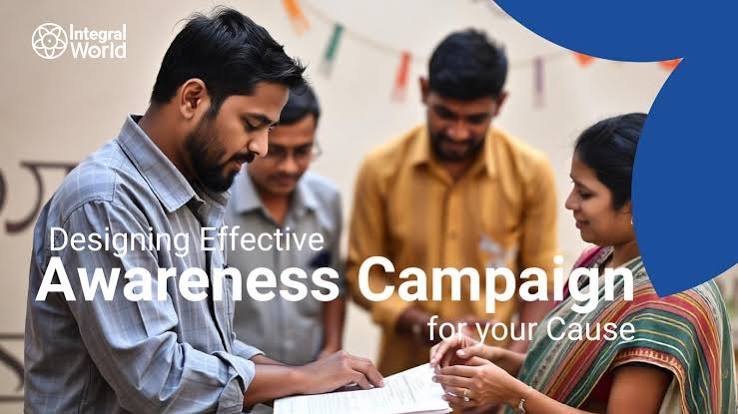
Community awareness campaigns play an important role in informing people about issues that affect their daily lives. Whether the focus is public health, environmental Zeal TN, Inc protection, education, safety, social responsibility, or local development, a successful campaign depends on more than simply sharing information. Effective communication, meaningful engagement, and strong trust are essential for encouraging people to understand an issue and take positive action. When these three elements work together, communities are more likely to participate, support the campaign, and create lasting change.
The Importance of Effective Communication
Communication is the foundation of every community awareness campaign. Before people can respond to an issue, they need to understand what it is, why it matters, and what they can do about it. Clear communication helps transform complicated topics into information that ordinary community members can easily understand.
A campaign should use simple, direct, and relevant language. Messages that contain unnecessary technical terms can confuse audiences and reduce interest. Instead, campaign organizers should explain important ideas in a way that connects with people’s everyday experiences. For example, an environmental campaign can explain how waste affects local neighborhoods rather than relying only on complicated statistics.
Communication should also be adapted to different audiences. Communities often include people of different ages, educational backgrounds, languages, and interests. Using social media, posters, community meetings, websites, local organizations, and face-to-face conversations can help reach people through channels they already use and trust.
Consistency is another important part of communication. When campaign messages are clear and consistent across different platforms, people are less likely to become confused. Repeating key messages in fresh and engaging ways can also improve awareness and help important information remain memorable.
Building Meaningful Community Engagement
Communication alone does not guarantee participation. People need opportunities to become involved in the campaign. Community engagement changes audiences from passive receivers of information into active participants.
Engagement can take many forms, including public meetings, workshops, surveys, volunteer activities, educational programs, social media discussions, and local events. These activities give community members an opportunity to ask questions, express concerns, and contribute ideas.
Successful campaigns listen as much as they speak. Community members often understand local challenges better than outside organizations. Their experiences can help campaign organizers identify problems, improve messages, and develop practical solutions.
Participation also creates a stronger sense of ownership. When people feel that their opinions matter, they are more likely to support campaign goals. A campaign that invites people to contribute ideas and take part in activities can create stronger and more lasting involvement than one that simply tells people what they should do.
The Power of Trust in Awareness Campaigns
Trust is one of the most valuable assets a community awareness campaign can build. People are more likely to accept information and change their behavior when they believe that the organization or individuals delivering the message are honest, reliable, and genuinely concerned about the community.
Trust develops through transparency and consistency. Campaign organizers should provide accurate information, explain where important claims come from, and avoid making exaggerated promises. If people discover that campaign messages are misleading, confidence can quickly disappear.
Local leaders, teachers, community organizations, healthcare professionals, and respected community members can also help strengthen trust. Familiar voices often make campaign messages feel more relevant and credible. However, these representatives should communicate honestly and avoid presenting information they cannot support.
Trust is especially important when campaigns address sensitive or controversial subjects. People may have different opinions, experiences, or concerns. Respecting these differences and creating an open environment for discussion can help prevent resistance and encourage constructive participation.
Understanding What Makes a Successful Community Awareness Campaign?
When considering What Makes a Successful Community Awareness Campaign?, communication, engagement, and trust should be viewed as connected elements rather than separate strategies. Strong communication attracts attention and provides understanding. Engagement encourages people to participate. Trust gives people confidence in the campaign and its message.
A campaign can have attractive posters and extensive online promotion, but these efforts may have limited impact if people do not trust the information or feel excluded from the process. Similarly, a campaign may have strong community participation but fail to achieve its goals if its messages are unclear.
Success therefore depends on creating a balanced approach. Campaign organizers should communicate clearly, listen carefully, involve local people, and maintain honesty throughout the campaign.
Using Digital Platforms for Community Awareness
Digital communication has changed the way awareness campaigns reach communities. Social media platforms, websites, email newsletters, online videos, and messaging services allow organizations to share information quickly with large audiences.
Digital platforms can also make engagement easier. People can comment, ask questions, participate in surveys, share campaign content, or register for community activities. Visual content such as infographics, short videos, and educational graphics can make complicated information easier to understand.
However, digital communication should complement rather than completely replace traditional community outreach. Not everyone has equal access to technology, and some people may prefer face-to-face communication. Combining digital and offline methods can help campaigns reach a broader audience.
Measuring Campaign Effectiveness
A successful awareness campaign should measure its progress. Evaluation helps organizers understand whether people received the message, understood it, participated in activities, and changed their attitudes or behavior.
Useful measures can include event attendance, survey responses, website visits, social media engagement, volunteer participation, and feedback from community members. The most valuable measurements depend on the campaign’s specific objectives.
Feedback should also be collected throughout the campaign rather than only at the end. Early feedback allows organizers to identify problems and adjust their communication or engagement strategies.
Creating Long-Term Community Impact
Awareness campaigns should aim for lasting change rather than temporary attention. Building relationships with community members, schools, organizations, and local leaders can help maintain momentum after a campaign officially ends.
Long-term communication keeps people informed, while continued engagement gives them opportunities to remain involved. Maintaining trust ensures that future messages are also taken seriously.
A strong campaign can eventually become more than an awareness effort. It can encourage communities to develop new habits, support local initiatives, and work together to address ongoing challenges.
Conclusion
Communication, engagement, and trust form the foundation of effective community awareness campaigns. Clear communication helps people understand important issues, engagement gives them a meaningful role, and trust encourages them to believe in the campaign and its objectives. When these elements are combined with thoughtful planning, inclusive participation, consistent messaging, and regular evaluation, awareness campaigns can create meaningful and lasting community impact.
Ultimately, successful campaigns are not simply about delivering messages. They are about creating conversations, building relationships, listening to community needs, and encouraging people to work together toward positive change.