

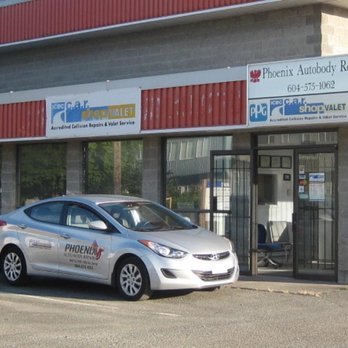
A vehicle accident can happen in seconds, but the effects can last for weeks or even months. From minor dents and scratched paint to major structural damage, collisions can affect both the appearance and safety of a vehicle. Getting the right repairs completed is essential before returning to everyday driving. Professional collision repair Tempe AZ services can help restore damaged vehicles while addressing the safety concerns that may not always be visible after an accident.
Why Proper Collision Repair Matters
After a collision, vehicle damage is not always limited to what can be seen from the outside. A bumper may appear slightly damaged while components behind it have shifted or broken. Similarly, a vehicle with seemingly minor body damage could have issues involving its frame, suspension, steering, sensors, or other safety-related systems.
Professional collision repair begins with a detailed inspection. Technicians evaluate the visible damage and look for underlying problems that could affect how the vehicle performs. Identifying these issues early helps prevent drivers from returning to the road with unresolved safety concerns.
Quality repairs are also important for preserving the vehicle’s structural integrity. Modern vehicles are designed with specific crumple zones and reinforced areas that help protect occupants during an accident. Improper repairs can potentially compromise these engineered safety features. Experienced repair professionals understand how damaged components should be restored or replaced.
A Detailed Inspection Comes First
One of the most important stages of collision repair is the initial assessment. Technicians inspect the vehicle carefully to determine the extent of the damage and create an appropriate repair plan.
The inspection may include checking the body panels, bumpers, lights, wheels, suspension components, frame, doors, hood, trunk, and other affected areas. Depending on the severity of the collision, technicians may also examine mechanical and electrical systems.
Modern vehicles frequently contain cameras, radar systems, parking sensors, and other advanced driver-assistance technologies. These components can be affected during a collision even when there is little visible exterior damage. A comprehensive inspection helps identify problems that could otherwise remain unnoticed.
Restoring Structural Integrity
A vehicle’s frame or structural components play an important role in occupant protection. When a serious collision affects these areas, repairs must be performed carefully and accurately.
Professional collision repair Tempe AZ providers can use specialized measuring equipment to determine whether the vehicle’s structure has moved out of its original specifications. If structural damage is identified, technicians can follow appropriate repair procedures to restore the vehicle as closely as possible to its intended configuration.
Accurate structural repairs are important because alignment affects more than appearance. A vehicle with unresolved structural issues may experience problems with handling, tire wear, steering, or other systems. Proper repair helps ensure that the vehicle can perform safely and predictably.
Replacing Damaged Components
Not every damaged component should be repaired. Some parts may need to be replaced because repairing them would not provide the required level of safety or reliability.
Technicians assess damaged bumpers, lights, body panels, suspension components, brackets, and other parts to determine the appropriate solution. Replacement decisions should consider the vehicle’s specifications, the severity of the damage, and the role each component plays in vehicle safety.
Using suitable replacement parts is another important consideration. Parts should be compatible with the specific vehicle and installed correctly. Professional repair facilities understand the importance of proper fitment and installation.
Advanced Safety Systems Need Attention
Today’s vehicles contain increasingly sophisticated safety technology. Features such as automatic emergency braking, lane departure warnings, blind-spot monitoring, adaptive cruise control, and parking assistance depend on sensors and cameras that must function correctly.
A collision can disturb the position of these components, even if the sensors themselves do not appear damaged. After certain repairs, calibration may be necessary to ensure that safety systems operate as intended.
This is one reason professional collision repair is more than simply fixing dents and repainting panels. Technicians must consider how body repairs interact with mechanical, electrical, and electronic systems throughout the vehicle.
Paint and Body Restoration
Once structural and mechanical concerns have been addressed, attention can turn to the vehicle’s exterior appearance. Body panels may be repaired or replaced, followed by surface preparation and refinishing.
Professional paint matching is particularly important. Modern automotive finishes can involve multiple layers, special pigments, and protective coatings. Proper preparation and application can help the repaired area blend naturally with the surrounding panels.
A quality finish does more than improve appearance. Properly restored paint and protective coatings can help protect exposed surfaces from moisture and environmental damage.
Wheel Alignment and Handling Checks
Collisions can affect a vehicle’s wheels, tires, steering components, and suspension. Even an impact that appears to involve only the body can transmit force to these areas.
Before a repaired vehicle is returned to its owner, relevant handling and alignment concerns should be evaluated. Correct wheel alignment helps support predictable steering, even tire wear, and stable handling.
Technicians may inspect suspension components, steering parts, wheels, and tires for signs of impact-related damage. Addressing these issues is an important part of preparing the vehicle for normal driving.
Testing Before the Vehicle Returns to the Road
A vehicle should not simply be considered finished when the bodywork looks good. Final inspections and testing are essential steps in the repair process.
Technicians can review completed repairs and verify that relevant components have been installed correctly. Depending on the damage, final checks may include lighting, electrical functions, wheel alignment, safety systems, doors, hood and trunk operation, and other vehicle-specific features.
Test procedures help identify issues that may not have been obvious during the earlier stages of repair. This additional attention can give vehicle owners greater confidence when they get back behind the wheel.
Working With Experienced Repair Professionals
Choosing a qualified repair facility can make a significant difference in the overall repair experience. Vehicle owners should look for professionals who provide clear explanations, thorough inspections, appropriate repair procedures, and attention to safety.
It is also helpful to ask questions about the repair process. Understanding what was damaged, which components require replacement, and what testing will be completed can help owners make informed decisions.
A trustworthy repair facility should focus on restoring the vehicle properly rather than simply making the damage look acceptable. The goal should be to return the vehicle to a condition that supports safe and dependable driving.
Getting Back on the Road With Confidence
An accident can leave drivers worried about whether their vehicle will ever feel the same again. Professional repairs can address that concern by combining structural restoration, component replacement, technology checks, alignment inspections, and exterior refinishing.
The right collision repair Tempe AZ service takes a comprehensive approach to vehicle restoration. Instead of focusing only on visible damage, experienced technicians consider the systems and components that contribute to safe operation.
Ultimately, collision repair is about much more than removing dents or repainting damaged panels. It is about restoring the vehicle’s function, appearance, and safety as carefully as possible. With a thorough inspection, skilled workmanship, appropriate replacement parts, necessary calibrations, and final testing, drivers can move forward knowing their vehicle has received the attention needed to return to the road safely.