

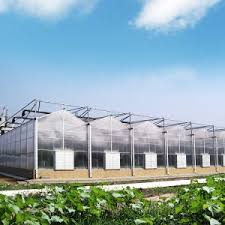
The Rise of Smart Agriculture in Modern Farming Systems
Agriculture is undergoing a massive transformation, and one of the most advanced examples of this shift can be seen in China, where greenhouse technology has evolved into a highly intelligent ecosystem. The concept of the china greenhouse is no longer limited to simple covered cultivation spaces; it now represents a fully integrated system of sensors, automation, artificial intelligence, and precision farming techniques.
In recent years, China greenhouse development has become a global benchmark for efficiency and productivity. Farmers are no longer relying only on traditional experience but are instead supported by data-driven systems that monitor soil moisture, temperature, humidity, and nutrient levels in real time. This has led to higher crop yields, reduced waste, and more sustainable farming practices.
Evolution of the China Greenhouse Model
The early versions of greenhouses in China were primarily used to extend growing seasons and protect crops from harsh weather conditions. However, the modern china greenhouse has evolved far beyond that basic purpose. Today, it is a fully controlled agricultural environment designed to optimize every aspect of plant growth.
This transformation began with the introduction of plastic-covered tunnels and later expanded into glass-based structures equipped with automated ventilation systems. Over time, the integration of digital technologies turned the china greenhouse into a smart farming hub. These systems now include climate control algorithms, automated irrigation, and AI-based pest detection systems.
The evolution of the china greenhouse is a clear reflection of how agriculture can adapt to technological progress while meeting the growing demand for food security.
Smart Farming Technologies Inside China Greenhouse Systems
One of the most impressive aspects of the china greenhouse model is its reliance on smart farming technologies. These systems are designed to reduce human labor while maximizing precision and output.
Sensors are placed throughout the greenhouse to collect real-time data on environmental conditions. This data is then processed by centralized software systems that automatically adjust lighting, watering, and ventilation. In many advanced setups, machine learning algorithms predict plant growth patterns and recommend optimal harvesting times.
Robotics also play a key role in modern china greenhouse operations. Automated planting machines, drone-based monitoring systems, and robotic harvesters are increasingly common. These innovations reduce labor costs while increasing consistency in crop quality.
Another important feature is hydroponics and aeroponics integration. Instead of relying solely on soil, many china greenhouse systems use nutrient-rich water solutions that allow plants to grow faster and healthier with fewer resources.
Sustainability and Environmental Benefits
Sustainability is one of the core strengths of the china greenhouse model. Traditional farming often requires large amounts of land, water, and chemical fertilizers. In contrast, greenhouse-based smart farming significantly reduces environmental impact.
Water usage in a china greenhouse is carefully controlled through recycling systems that reuse excess water. This reduces overall consumption and minimizes waste. Additionally, precise nutrient delivery systems ensure that plants receive exactly what they need, reducing the overuse of fertilizers.
Energy efficiency is another important factor. Many modern greenhouses in China are equipped with solar panels and energy-efficient heating systems. These technologies help reduce the carbon footprint of agricultural production while maintaining optimal growing conditions year-round.
Economic Impact of China Greenhouse Innovation
The expansion of china greenhouse systems has had a significant economic impact, particularly in rural areas. Farmers who adopt smart greenhouse technology often experience higher productivity and increased income due to improved crop quality and faster harvest cycles.
In addition, the greenhouse industry has created new job opportunities in technology, engineering, and agricultural science. Workers are needed not only for farming but also for maintaining sensors, managing software systems, and analyzing agricultural data.
Export markets have also benefited. High-quality produce from china greenhouse farms is increasingly in demand internationally, especially in regions that require consistent year-round supply of fruits and vegetables.
Challenges Facing China Greenhouse Development
Despite its many advantages, the china greenhouse model is not without challenges. One of the main issues is the high initial cost of setting up advanced greenhouse systems. Small-scale farmers may find it difficult to afford the technology required for full automation.
Another challenge is the need for technical expertise. Operating a modern china greenhouse requires knowledge of both agriculture and digital systems. This creates a skills gap that must be addressed through training and education programs.
Energy consumption can also be a concern, especially in regions where renewable energy sources are not fully developed. Although many greenhouses are becoming more energy-efficient, maintaining optimal conditions still requires significant power usage.
Future of China Greenhouse Innovation
The future of the china greenhouse industry looks highly promising as technology continues to advance. Artificial intelligence will play an even greater role in predictive farming, allowing systems to anticipate plant needs before issues arise.
Integration with big data and cloud computing will further enhance decision-making processes. Farmers will be able to monitor and control greenhouse conditions remotely using smartphones or computers, making agriculture more accessible and efficient.
In China, research institutions and agricultural companies are already experimenting with fully autonomous greenhouses that require minimal human intervention. These systems could revolutionize global food production in the coming decades.
Conclusion
The china greenhouse represents one of the most advanced forms of modern agriculture. By combining smart technology, sustainability, and precision farming, it has transformed the way food is produced. From improved efficiency to environmental benefits and economic growth, the impact of greenhouse innovation is profound.
As technology continues to evolve, the china greenhouse model is likely to become even more sophisticated, setting new standards for agricultural practices worldwide and ensuring a more secure and sustainable food future.