

Unexpected wastewater damage can happen because of clogged drains, broken sewer lines, overflowing toilets, damaged pipes, or heavy rainfall. Regardless of the cause, sewage exposure creates a situation that requires immediate attention. Unlike clean water leaks, sewage contains contaminants that can spread quickly through floors, walls, furniture, and other areas of a property.
Fast sewage cleanup is essential because delaying the response can allow contamination, unpleasant odors, moisture damage, and microbial growth to become more difficult to control. Taking prompt action helps protect the property while creating a safer environment for occupants.
Understanding the Risks of Sewage Damage
Sewage water is considered contaminated because it may contain bacteria, viruses, organic waste, chemicals, and other harmful substances. When wastewater enters a home or commercial building, it can spread across multiple surfaces within a short period.
Porous materials are particularly vulnerable. Carpets, upholstery, drywall, insulation, wood, and other absorbent materials can retain contaminated moisture. Once these materials become saturated, simply removing visible water may not be enough.
Professional sewage cleanup focuses on controlling the contamination, removing affected materials when necessary, cleaning surfaces, and drying the affected areas properly.
Why Immediate Action Is Important
The longer sewage remains inside a property, the greater the potential for damage to increase. Standing wastewater can move into cracks, seams, floor coverings, and wall cavities. Moisture can also migrate beyond the area where the original incident occurred.
Quick response allows the affected area to be assessed before the problem becomes more extensive. Professionals can identify where wastewater has traveled and determine which materials can potentially be cleaned and restored.
Early intervention may also reduce the amount of property that requires removal or replacement. This can help limit disruption and make the overall recovery process more manageable.
Preventing the Spread of Contamination
One of the primary goals of sewage cleanup is to prevent contaminated water and residue from spreading to unaffected areas. Walking through contaminated water can transfer pollutants to other floors and rooms.
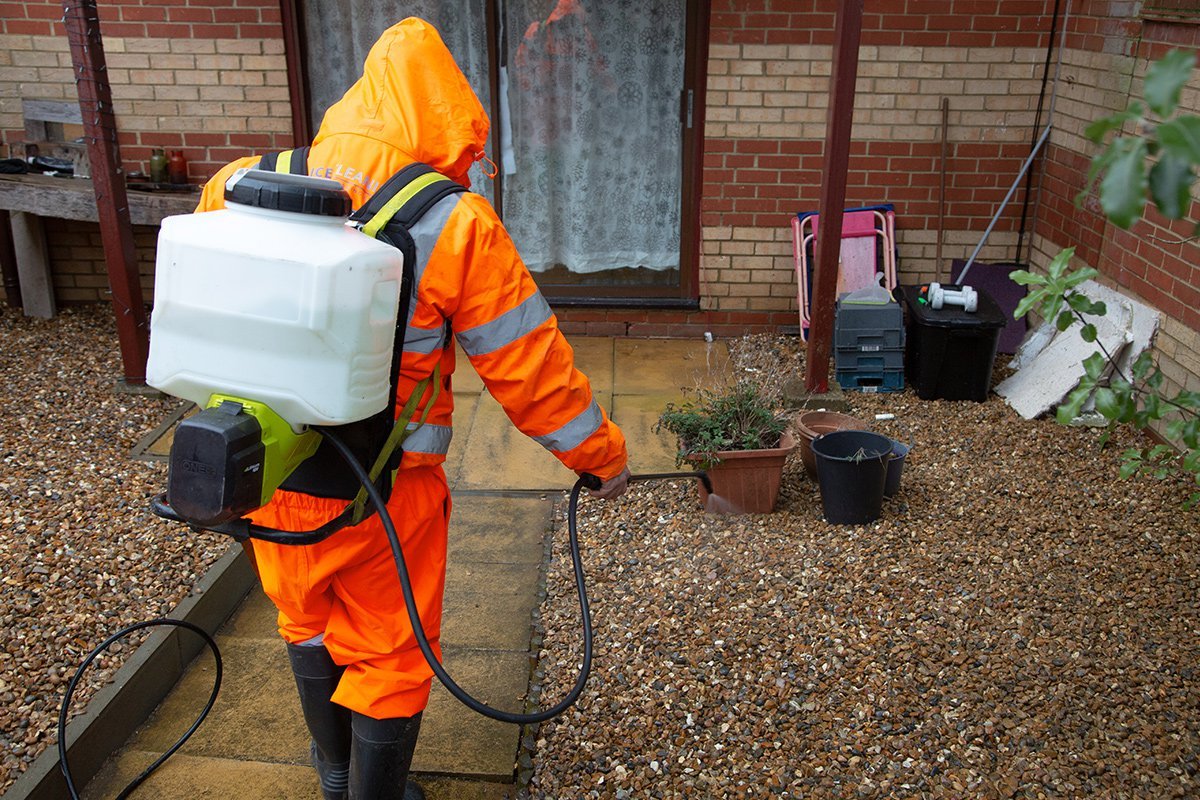
Cleanup professionals generally establish boundaries around affected spaces and use appropriate protective equipment and cleaning procedures. Items that have come into contact with sewage may need to be isolated until they can be evaluated.
This approach helps prevent unnecessary cross-contamination and keeps the cleanup process organized.
Removing Standing Wastewater
Standing wastewater should be removed as quickly as possible. Depending on the severity of the incident, professional equipment such as pumps, wet vacuums, and specialized extraction systems may be used.
Water removal is only one part of the process. After standing water has been extracted, technicians need to inspect floors, walls, cabinets, and other structures for hidden moisture.
Moisture meters and other inspection tools can help identify damp areas that may not be visible. Finding these areas early is important because trapped moisture can contribute to additional property problems.
Addressing Damaged Materials
Not every material exposed to sewage can be restored. Porous materials may absorb contaminated water deeply, making thorough cleaning difficult or impractical.
Carpet padding, heavily saturated drywall, insulation, and certain upholstered items may require removal. In contrast, some nonporous surfaces can often be cleaned and disinfected using appropriate methods.
A professional assessment helps determine what should be cleaned, what needs specialized treatment, and what should be removed. This prevents property owners from attempting to salvage materials that may continue to present contamination concerns.
Cleaning and Disinfecting Affected Surfaces
After contaminated water has been removed, affected surfaces need appropriate cleaning. Cleaning removes visible dirt and organic residue, while disinfection can address microorganisms that may remain on suitable surfaces.
Different materials require different cleaning approaches. Using an unsuitable chemical or technique can damage flooring, wood, fixtures, or painted surfaces.
Professional sewage cleanup providers understand that cleaning is not simply about making a surface look clean. The goal is to address contamination thoroughly while protecting materials that can safely remain in the property.
Controlling Odors After Wastewater Damage
Sewage incidents often create strong and persistent odors. These odors can come from organic waste, contaminated materials, and moisture trapped in hidden areas.
Removing the source of the odor is more effective than simply masking it with air fresheners. Proper wastewater removal, cleaning, drying, and treatment of affected materials can help reduce unpleasant smells.
Ventilation and professional air-treatment equipment may also be used when appropriate. Addressing odors as part of the overall cleanup process can make the property more comfortable during recovery.
Reducing Moisture-Related Problems
Moisture left behind after sewage damage can create additional complications. Damp environments can support microbial growth and may cause materials such as wood and drywall to deteriorate.
Drying should therefore begin after contaminated water has been removed and affected surfaces have been appropriately cleaned. Air movers, dehumidifiers, and other drying equipment may help reduce remaining moisture.
Technicians can monitor moisture levels during the drying process rather than relying only on how surfaces feel. This helps identify hidden dampness and provides a clearer indication of whether affected areas are approaching appropriate dryness.
Protecting Structural Components
Wastewater can affect more than visible flooring and furniture. If contamination reaches walls, subfloors, framing, or other structural components, the damage may become more complicated.
Prompt sewage cleanup gives professionals an opportunity to inspect these areas early. Identifying moisture or contamination behind surfaces can help prevent a relatively contained incident from becoming a larger restoration project.
Property owners should also avoid disturbing potentially contaminated building materials unnecessarily. Professional assessment can help determine the safest approach for removal and restoration.
Why DIY Cleanup Can Be Risky
Small household spills may sometimes be manageable with ordinary cleaning methods, but sewage exposure presents different challenges. Contaminated wastewater should not be treated like a simple plumbing leak.
Without suitable protective equipment, cleaning products, extraction tools, and drying equipment, property owners may unintentionally expose themselves to contaminants or spread wastewater to clean areas.
DIY attempts can also overlook moisture trapped beneath flooring or inside walls. Professional assistance can provide a more systematic response when the affected area is extensive or contamination is significant.
What Property Owners Should Do Immediately
When unexpected wastewater damage occurs, occupants should prioritize safety. If sewage has reached electrical outlets, appliances, or electrical equipment, the affected area should not be entered until it is safe to do so.
Avoid direct contact with contaminated water and keep children and pets away from affected areas. If possible, stop the source of the wastewater without placing yourself at risk.
Photographs and notes about the damage can also be useful for documentation. Once the immediate safety concerns have been addressed, arranging professional sewage cleanup can help begin the recovery process quickly.
Supporting a Faster Property Recovery
Fast action does not necessarily mean rushing through the cleanup process. Effective recovery requires a systematic approach that addresses contamination, water removal, cleaning, drying, odor control, and damaged materials.
A professional team can evaluate the extent of the problem and develop a cleanup strategy based on the type and severity of wastewater damage. This organized approach can help reduce unnecessary delays and prevent overlooked problems from appearing later.
Conclusion
Unexpected wastewater damage can create serious property and sanitation concerns, especially when contaminated water remains untreated. Fast sewage cleanup helps control contamination, remove standing wastewater, reduce moisture, address odors, and protect materials that may still be restorable.
Acting quickly also provides an opportunity to identify hidden damage before it becomes more extensive. Rather than treating sewage exposure as an ordinary water leak, property owners should recognize the unique risks involved and take appropriate precautions.
A prompt, thorough cleanup process can make the recovery more organized while helping protect the property’s condition and the people who use it.