

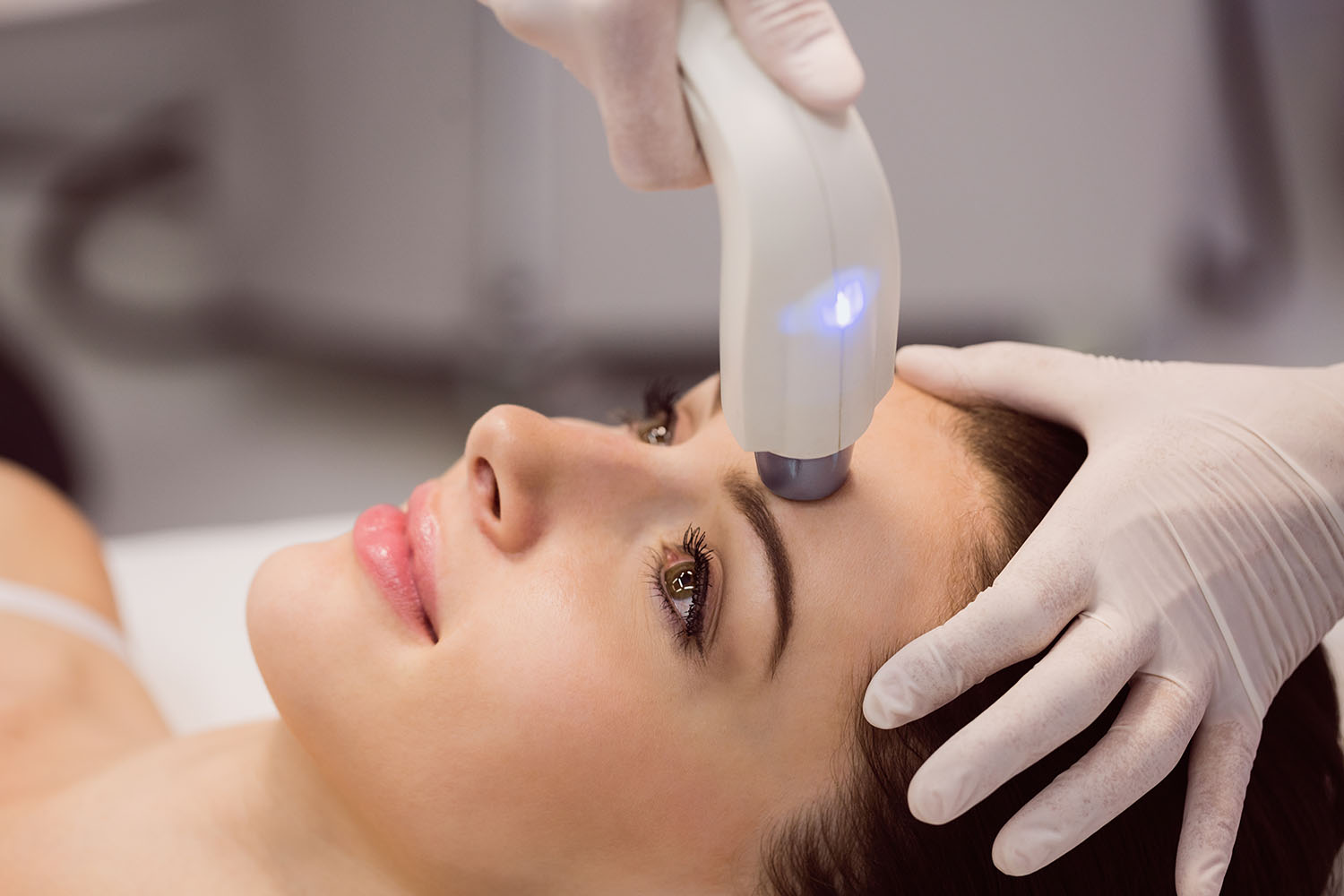
Uneven skin tone and dark patches are common concerns for many people. Hyperpigmentation can develop for several reasons, including sun exposure, hormonal changes, acne, inflammation, and the natural aging process. Although skincare products and daily sun protection can help improve the appearance of discoloration, some individuals look for more advanced options to achieve a smoother and brighter-looking complexion. Laser Treatments for Hyperpigmentation have become a popular cosmetic approach because they can target unwanted pigmentation while supporting a more even appearance.
Understanding Hyperpigmentation
Hyperpigmentation occurs when certain areas of the skin produce or retain more melanin than surrounding areas. Melanin is the natural pigment responsible for skin, hair, and eye color. When melanin production becomes uneven, dark spots, patches, or areas of discoloration may become visible.
Common types of hyperpigmentation include sun spots, age spots, post-inflammatory hyperpigmentation, and melasma. The appearance and underlying cause of pigmentation can vary significantly from person to person. This is why a professional skin assessment is important before choosing any cosmetic treatment.
Laser Treatments for Hyperpigmentation are designed to address excess pigmentation by delivering controlled energy to targeted areas. Depending on the technology used, the laser may break down pigment or encourage the skin to renew itself, helping improve the overall appearance of discoloration.
How Laser Treatments Work
Different laser technologies use different wavelengths and treatment approaches. Some lasers specifically target melanin within pigmented areas, while others work by resurfacing the outer layers of the skin. The choice of laser depends on factors such as skin type, pigmentation concerns, treatment goals, and the professional’s assessment.
During treatment, the laser energy is carefully delivered to the selected areas. Pigmented cells absorb the energy, which can help break down unwanted pigment. The body’s natural processes then gradually remove or shed the treated pigment over time. Resurfacing treatments may also stimulate collagen production and encourage the development of newer-looking skin.
Because laser technology continues to evolve, treatment plans can be highly personalized. A qualified professional can determine which approach is most appropriate based on the individual’s skin characteristics and concerns.
A More Even-Looking Complexion
One of the primary reasons people consider laser procedures is the desire for a more balanced skin tone. Dark spots and uneven pigmentation can make the complexion appear dull or inconsistent. By targeting visible areas of excess pigment, treatment may help create a more uniform appearance.
Results vary depending on the cause and depth of pigmentation. Some superficial discoloration may respond relatively well, while deeper or hormonally influenced pigmentation can require a longer-term management strategy. Professional evaluation is essential for setting realistic expectations.
Improved Appearance of Sun Damage
Long-term sun exposure can contribute to visible pigmentation, including freckles and sun spots. These concerns often become more noticeable as people get older and accumulate years of ultraviolet exposure.
Laser Treatments for Hyperpigmentation may be used to target certain types of sun-related discoloration. By focusing treatment on specific pigmented areas, the procedure can help reduce their visibility and contribute to a brighter-looking complexion.
However, laser treatment does not eliminate the need for sun protection. Continued exposure to ultraviolet radiation can contribute to new pigmentation and may interfere with long-term results. Using broad-spectrum sunscreen and adopting sun-safe habits are important parts of any pigmentation management plan.
Potential Skin Rejuvenation Benefits
Some laser treatments offer benefits beyond pigmentation correction. Depending on the technology, treatment may encourage collagen remodeling and skin renewal. Collagen is an important structural protein that contributes to the skin’s firmness and smooth appearance.
As the skin gradually renews itself, some people may notice improvements in texture and overall radiance. This can make the complexion appear fresher and more refined. However, the degree of rejuvenation depends on the specific laser, treatment intensity, and individual skin response.
It is important to remember that not every laser is designed for the same purpose. Some devices focus primarily on pigmentation, while others are intended for resurfacing or broader skin rejuvenation. A professional consultation can help identify the most suitable option.
Personalized Treatment Plans
One of the advantages of modern cosmetic laser procedures is the ability to customize treatment. Skin pigmentation is not identical for everyone, and factors such as skin tone, sensitivity, pigmentation depth, and medical history can influence the treatment approach.
A professional may recommend a single session or a series of treatments depending on the condition being addressed. The interval between sessions also varies. Some individuals may see visible changes after one treatment, while others require multiple sessions to achieve their desired improvement.
A personalized approach can also help reduce the risk of unwanted side effects. This is particularly important for individuals with darker skin tones, who may have a higher risk of developing temporary or persistent changes in pigmentation after certain laser procedures.
What to Expect During Treatment
The exact experience depends on the type of laser being used. Before treatment begins, the skin is generally cleansed, and protective measures are taken to safeguard the eyes. Some procedures may involve a cooling system or topical numbing product to improve comfort.
During the procedure, patients may experience sensations such as warmth, mild snapping, or tingling. The treatment length can vary depending on the size and number of areas being treated.
Afterward, temporary redness, swelling, sensitivity, or darkening of treated spots may occur. These effects can vary according to the laser and individual skin response. Following aftercare instructions carefully is essential for supporting proper healing.
The Importance of Professional Assessment
Although laser procedures can offer promising cosmetic benefits, they are not appropriate for every type of pigmentation. Certain skin conditions can resemble hyperpigmentation, so accurate assessment is important before beginning treatment.
A qualified dermatologist or experienced skin professional can evaluate the pigmentation, identify potential causes, and recommend suitable options. They can also discuss possible risks, expected recovery, and the number of sessions that may be appropriate.
Individuals should disclose relevant information about their skincare routine, medications, previous procedures, and history of pigmentation concerns. This information can help professionals develop a safer and more effective treatment plan.
Maintaining Results After Treatment
Achieving a brighter-looking complexion is only part of the process. Maintaining results requires consistent skincare and lifestyle habits. Daily sunscreen use is one of the most important steps because ultraviolet exposure can trigger or worsen pigmentation.
A gentle skincare routine may also help protect the skin barrier. Depending on individual needs, professionals may recommend ingredients that support pigmentation management, such as vitamin C, retinoids, or other targeted products. These should be introduced carefully and according to professional guidance, especially after laser treatment.
Avoiding excessive sun exposure and using protective clothing or hats can also contribute to long-term skin health. Consistency is often key when managing pigmentation because new discoloration can develop even after successful treatment.
Are Laser Treatments Right for You?
Laser Treatments for Hyperpigmentation can be an effective option for individuals seeking to reduce the appearance of certain types of discoloration and achieve a more even-looking complexion. Potential benefits include targeted pigment reduction, improved skin tone, and, with certain technologies, additional skin-renewing effects.
However, results are not guaranteed, and the most appropriate treatment depends on the individual’s skin type and the underlying cause of pigmentation. A professional consultation should always come before treatment so that potential benefits and risks can be discussed.
When combined with appropriate skincare and diligent sun protection, professional laser treatment may become part of a comprehensive approach to improving the appearance of uneven pigmentation. With realistic expectations and an individualized treatment plan, many people can work toward a complexion that looks brighter, smoother, and more balanced.