

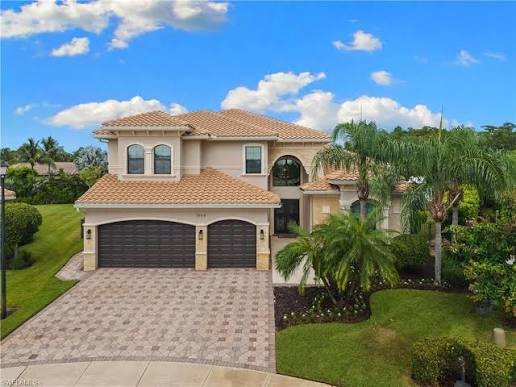
Naples, Florida, continues to attract homebuyers who are looking for a combination of coastal living, comfortable neighborhoods, modern amenities, and long-term lifestyle opportunities. With its appealing environment and variety of residential communities, the city offers options for different preferences and budgets. For anyone researching homes for sale in Naples FL, understanding the market, property types, neighborhoods, and buying process can make the search more productive.
Whether you are looking for a permanent residence, seasonal home, investment property, or a place to enjoy retirement, Naples provides a broad selection of possibilities. Exploring these opportunities carefully can help buyers identify a property that fits both their current needs and future plans.
Understanding the Naples Housing Landscape
The Naples housing market includes a diverse collection of properties. Buyers can find condominiums, townhomes, villas, single-family residences, waterfront properties, and larger luxury estates. This variety means that the right home can look very different depending on the buyer’s lifestyle.
Some buyers prioritize proximity to beaches and waterfront areas, while others prefer quieter residential communities farther inland. Golf communities are also popular among buyers who want recreational amenities close to home. Newer developments may appeal to people seeking contemporary floor plans, energy-efficient features, and updated community facilities.
When reviewing homes for sale in Naples FL, it is useful to begin by identifying the type of property that best matches your priorities. Knowing whether you want a low-maintenance condominium or a spacious single-family home can significantly narrow the search.
Exploring Different Neighborhood Opportunities
One of the most important parts of purchasing a Naples property is selecting the right neighborhood. Each area can offer a different atmosphere, location advantage, and range of housing choices.
Some neighborhoods provide convenient access to shopping, dining, entertainment, and major roads. Others are designed around golf courses, lakes, nature preserves, or community amenities. Buyers who enjoy coastal activities may place greater importance on easy access to beaches and waterfront destinations.
Families may focus on community environment, schools, parks, and available recreational opportunities. Retirees may prioritize quiet surroundings, healthcare access, walkability, and low-maintenance housing. Investors, meanwhile, may examine factors such as property demand, location, rental considerations, and potential resale appeal.
Creating a neighborhood checklist before viewing properties can help buyers compare different areas objectively.
Looking Beyond the Listing Price
A home’s advertised price is only one part of the financial picture. Buyers should consider the broader costs associated with ownership before making an offer.
Potential expenses can include property taxes, homeowners insurance, association fees, maintenance, utilities, closing costs, and repairs. Condominium and planned-community properties may also involve recurring association assessments that cover shared amenities and maintenance.
Understanding these expenses helps buyers establish a realistic budget. A property that appears affordable based on its purchase price may have higher ongoing costs, while another home with a somewhat higher price could potentially offer features that reduce maintenance requirements.
For this reason, buyers researching homes for sale in Naples FL should evaluate the complete ownership cost rather than focusing exclusively on the listing price.
Identifying Features That Match Your Lifestyle
Modern buyers often have specific expectations regarding home features. A property may include open-concept living areas, updated kitchens, spacious bedrooms, outdoor entertaining spaces, pools, garages, smart-home technology, or energy-conscious improvements.
Outdoor space can be especially important in Florida. Screened patios, landscaped yards, swimming pools, and outdoor kitchens can expand usable living areas and create comfortable spaces for entertaining.
Buyers should distinguish between essential features and desirable extras. A clear list can prevent emotional decisions during property tours and help maintain focus on long-term priorities.
Considering Property Condition
The condition of a home deserves careful attention. A beautifully staged property may look attractive, but buyers should examine the underlying condition of major systems and structural components.
During the inspection process, professionals may evaluate roofing, electrical systems, plumbing, HVAC equipment, windows, appliances, drainage, and other important elements. Buyers should also review available documentation about previous repairs and improvements.
Older properties are not necessarily unsuitable, but they may require a different maintenance and renovation budget than newer construction. Understanding potential work before completing a purchase can reduce unexpected financial surprises.
Evaluating New Construction Opportunities
New construction represents another category worth exploring. Newly built homes can provide contemporary layouts, modern finishes, updated building systems, and community amenities.
Buyers considering new developments should review the builder’s specifications, estimated completion schedule, included features, upgrade options, community rules, and warranty terms. It is also important to understand what will be completed at closing and what amenities may be delivered later.
Comparing new construction with existing properties can provide useful perspective. An existing home may offer an established neighborhood and mature landscaping, while a new property may provide more contemporary design and fewer immediate renovation requirements.
Working With Local Real Estate Professionals
Navigating a competitive and varied housing market can be easier with guidance from an experienced real estate professional. A knowledgeable agent can help identify properties that match specific requirements, arrange showings, explain local considerations, and assist with negotiations.
Local professionals may also help buyers understand differences between neighborhoods and property types. Their familiarity with recent listings and transaction processes can be useful when evaluating multiple opportunities.
For buyers searching for homes for sale in Naples FL, professional guidance can also help organize the search around budget, preferred location, property style, and desired amenities.
Preparing for the Buying Process
Preparation can make the home search considerably smoother. Buyers should review their finances, determine an appropriate budget, explore financing options if necessary, and obtain mortgage preapproval before making serious offers.
Once a suitable property is identified, the process may involve making an offer, negotiating terms, completing inspections, reviewing documents, securing financing, and moving toward closing.
Having financial documents and other required information ready can help avoid unnecessary delays. Buyers should also allow enough time to carefully review contracts and property-related documents before committing to a transaction.
Exploring Long-Term Value
A home purchase should be considered from both a lifestyle and long-term perspective. Buyers may want to think about how their needs could change over the next several years.
A growing household may eventually need additional bedrooms or living space. Someone planning retirement may prefer a single-level layout and convenient access to everyday services. Buyers considering future resale should also pay attention to location, property condition, layout, and neighborhood characteristics.
The goal is not simply to find an attractive house but to identify a property that remains practical as circumstances evolve.
Making a Confident Property Search
The range of homes for sale in Naples FL gives buyers many opportunities to explore different lifestyles and housing options. From modern communities and convenient condominiums to spacious single-family properties and coastal residences, Naples offers a broad residential landscape.
Successful home searches typically begin with clear priorities. Establishing a budget, choosing preferred neighborhoods, identifying essential features, researching property conditions, and understanding ownership costs can make the process more organized.
Most importantly, buyers should take time to compare opportunities rather than rushing toward the first appealing listing. With thoughtful research and professional guidance, exploring the Naples housing market can become a structured journey toward finding a home that fits both present needs and future goals.