

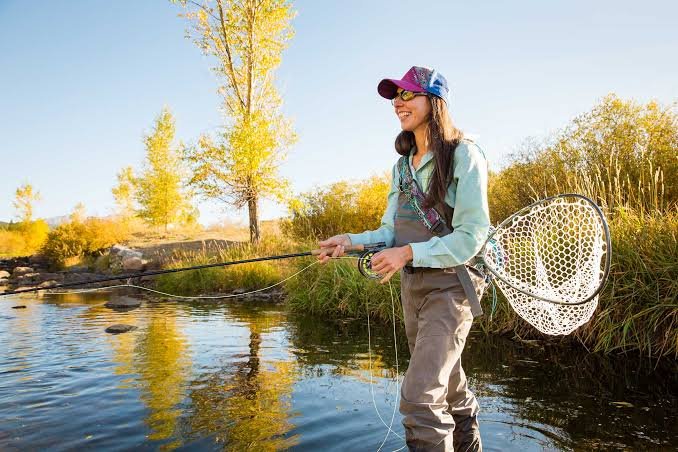
Fly fishing is a fascinating outdoor activity that combines patience, technique, nature, and the excitement of catching fish. Unlike traditional fishing methods that rely Stephen Gleave Ancaster on heavier lures or bait, fly fishing uses a lightweight artificial fly designed to imitate insects, small creatures, or other natural food sources. The technique requires skill and practice, but it can become a rewarding way to spend time outdoors and explore rivers, lakes, streams, and other beautiful environments.
Whether you are completely new to fishing or already have experience with other forms of angling, learning about fly fishing can open the door to a different style of outdoor adventure. Understanding the equipment, casting techniques, suitable locations, and basic fishing practices can help beginners develop confidence and enjoy the experience.
What Is Fly Fishing?
Fly fishing is a method of angling that uses a specialized rod, reel, weighted fly line, leader, and artificial fly. The artificial fly itself is usually very lightweight, so the weight of the line helps carry it through the air during casting.
The flies are created in many different patterns and sizes. Some imitate insects that live on or near the surface of the water, while others represent aquatic insects, baitfish, crustaceans, or other food sources. Anglers select flies based on the local environment, season, weather, and behavior of the fish.
One of the most recognizable parts of fly fishing is its distinctive casting motion. Instead of simply throwing a heavy lure toward the target, anglers use controlled movements of the rod and fly line to deliver the fly accurately.
Essential Fly Fishing Equipment
Having the right equipment can make learning fly fishing easier and more enjoyable. Beginners do not necessarily need a large collection of specialized gear. A basic setup can provide everything needed to start practicing.
Fly Rod
The fly rod is the main tool used for casting. Rods come in different lengths, weights, and actions. A lighter rod can be suitable for smaller fish and smaller streams, while heavier setups may be used for larger species or stronger conditions.
Choosing a rod depends on the type of water and fish an angler plans to target. A versatile setup can be a practical starting point for someone who wants to explore different environments.
Fly Reel
The reel holds the fly line and provides a way to manage and retrieve it. Although the reel plays a different role in fly fishing compared with many conventional fishing systems, it becomes especially important when fighting stronger fish.
A good reel should work smoothly and match the rod and line weight.
Fly Line
Fly line is particularly important because its weight allows anglers to cast lightweight flies. Different lines are designed for different purposes, including floating, sinking, and specialized presentation techniques.
Understanding how fly lines behave on the water can significantly improve casting and fly presentation.
Flies
Artificial flies are available in countless designs. Dry flies float on the surface, while nymphs imitate insects below the surface. Streamers can imitate small fish and other aquatic prey.
Experienced anglers often carry several patterns so they can adapt to changing conditions.
Learning the Basic Casting Technique
Casting is one of the most important skills in fly fishing. Beginners should focus on developing smooth movements rather than trying to cast as far as possible.
The basic overhead cast involves moving the rod backward and forward while allowing the line to extend through the air. Timing is essential. Allowing the line to straighten behind the angler before beginning the forward movement can improve control.
Another useful technique is the roll cast. This is particularly helpful when there is limited space behind the angler because it does not require a large backcast.
Practice in an open, safe area can help beginners become comfortable with the movement before fishing in a river or stream.
Choosing the Right Location
Location plays an important role in fly fishing. Rivers, streams, lakes, and ponds can all offer opportunities depending on the species and local regulations.
Rivers are popular because they often contain diverse aquatic ecosystems. Areas near rocks, submerged structures, deep pools, current seams, and shaded banks can provide suitable habitat for fish.
Before fishing in a new location, anglers should research local regulations. Rules may cover fishing seasons, permitted methods, catch limits, licenses, and protected species. Following these requirements helps protect fish populations and aquatic environments.
Understanding Fish Behavior
Successful fly fishing involves more than simply casting a fly into the water. Observing the environment can provide valuable clues about what fish may be feeding on.
Look for insects around the water, activity on the surface, birds feeding nearby, and areas where currents change. Fish often position themselves where they can conserve energy while waiting for food to move past.
Water temperature, weather, sunlight, and seasonal insect activity can also influence fish behavior. Paying attention to these factors allows anglers to make more informed choices about fly selection and presentation.
Fly Selection and Presentation
Selecting an appropriate fly is an important part of the experience. The goal is often to present an artificial fly in a way that resembles natural food.
Dry flies can be effective when fish are feeding near the surface. Nymphs are useful when insects are active below the surface, while streamers can be used to imitate larger prey.
Presentation is just as important as fly selection. A fly that moves unnaturally may be less convincing to fish. Anglers often work on controlling the line so the fly travels naturally with the current.
Fly Fishing and Conservation
Fly fishing can encourage a deeper appreciation for natural environments. Responsible anglers should take steps to minimize their impact on rivers, lakes, and surrounding habitats.
Catch-and-release fishing is one common conservation practice. When releasing a fish, anglers should handle it carefully and avoid unnecessary stress. Using appropriate equipment and minimizing the time the fish spends out of the water can support responsible handling.
Anglers should also avoid leaving fishing line, packaging, or other waste behind. Protecting waterways benefits fish, wildlife, and everyone who enjoys outdoor recreation.
Benefits of Fly Fishing
Fly fishing offers several benefits beyond catching fish. It provides an opportunity to spend time outdoors, observe nature, and develop patience and concentration.
The activity can also become a social experience. Friends and family members can learn together, explore new fishing locations, and share techniques. At the same time, fly fishing can be a peaceful individual activity for people who enjoy quiet environments.
The combination of movement, observation, and problem-solving makes every fishing trip slightly different.
Tips for Beginners
New anglers should start with the fundamentals rather than trying to master every technique immediately. Practicing basic casting is a good first step.
It is also useful to learn how to tie a few simple knots, identify common local insects, and understand basic fish-handling practices. Beginners can benefit from fishing with an experienced angler or taking an introductory lesson.
Most importantly, patience is essential. Casting accurately and reading water takes time to develop. Every trip provides another opportunity to learn.
Conclusion
Fly fishing is an engaging outdoor pursuit that combines technique, observation, and appreciation for nature. From selecting the right fly and learning basic casting to understanding fish behavior and protecting aquatic environments, there are many aspects to explore.
Beginners can start with simple equipment, practice fundamental skills, and gradually develop their knowledge through experience. Whether fishing a quiet stream, a scenic river, or a peaceful lake, fly fishing offers a unique way to connect with the outdoors while continually learning and improving as an angler.