

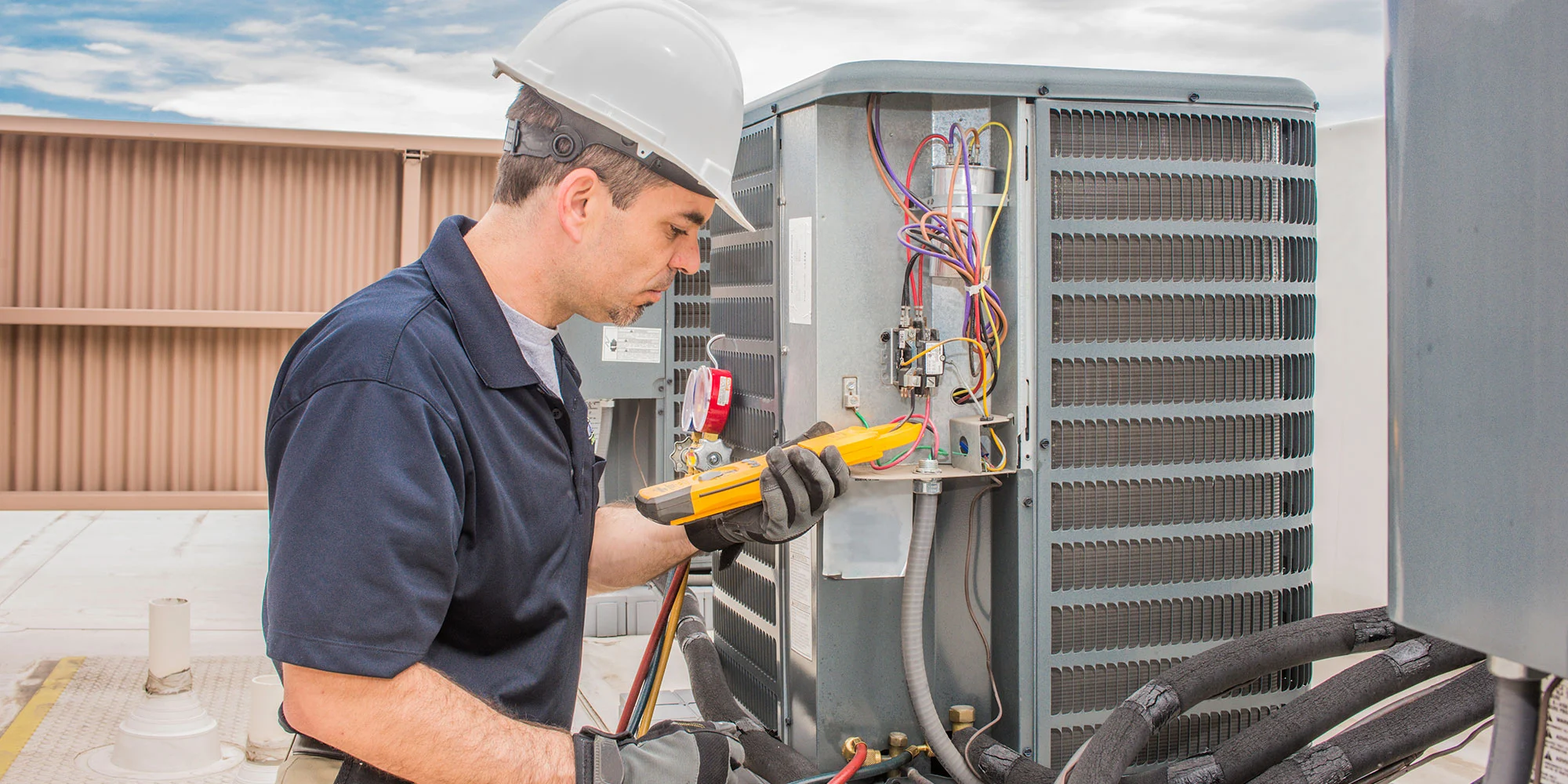
The HVAC industry is highly competitive, and homeowners have more choices than ever when they need heating, cooling, ventilation, or indoor air quality services. For an HVAC business, having skilled technicians and dependable services is essential, but reaching the right customers requires an effective marketing strategy. Strong marketing for HVAC company growth can help businesses attract homeowners, build trust, generate qualified leads, and turn one-time customers into loyal clients.
Understanding the Modern HVAC Customer
Homeowners typically search for HVAC services when they have an immediate problem, such as a broken air conditioner, inefficient heating system, unusual noises, or poor indoor air quality. Because these needs are often urgent, customers want a company that appears reliable, professional, and easy to contact.
A successful strategy begins by understanding what homeowners value. Fast response times, transparent pricing, positive reviews, experienced technicians, convenient scheduling, and quality workmanship can all influence a purchasing decision. HVAC companies should build their marketing around these expectations rather than simply promoting services.
Build a Strong Local Online Presence
Most homeowners use search engines to find nearby HVAC contractors. This makes local online visibility one of the most important components of marketing for HVAC company success. An optimized website should clearly explain the company’s services, service areas, contact information, emergency availability, and reasons customers should choose the business.
Local search optimization can help an HVAC company appear when homeowners search for phrases related to air conditioning repair, furnace installation, heating maintenance, or HVAC services in their area. Creating location-focused service pages and maintaining accurate business information across online directories can strengthen local visibility.
A professional website should also be mobile-friendly. Many customers search for HVAC companies from smartphones, particularly when they experience an unexpected heating or cooling problem. Fast loading times, simple navigation, prominent contact buttons, and easy appointment forms can make it easier for visitors to become leads.
Use Content to Educate Homeowners
Content marketing provides HVAC businesses with an opportunity to demonstrate knowledge while answering questions homeowners commonly ask. Helpful articles can cover topics such as signs of an aging air conditioner, ways to improve energy efficiency, furnace maintenance tips, indoor air quality solutions, and differences between HVAC repair and replacement.
Educational content can attract homeowners who are researching a problem before contacting a professional. It also helps establish the company as a knowledgeable source. Instead of focusing every article on direct sales, HVAC businesses can provide practical information and naturally explain how professional services can solve common problems.
Videos can strengthen this strategy even further. Short videos explaining maintenance tasks, common HVAC warning signs, thermostat settings, or energy-saving practices can increase engagement and help customers become familiar with the company’s technicians and expertise.
Strengthen Local Search Visibility
Search engine optimization is particularly valuable for HVAC companies because customers frequently search for services close to their homes. Businesses should target relevant service and location terms while maintaining useful, natural content.
A strong local SEO strategy can include optimized service pages, location pages, customer reviews, business listings, helpful blog content, and accurate contact information. Internal links between related services can also make it easier for visitors and search engines to understand the website.
The goal should not simply be to generate website traffic. The objective is to attract homeowners who are actively looking for HVAC assistance and are likely to request an estimate or schedule a service.
Make Customer Reviews a Priority
Online reviews can have a major influence on homeowners choosing between HVAC companies. A business with numerous positive reviews can appear more trustworthy than a company with little or no customer feedback.
HVAC businesses should encourage satisfied customers to leave honest reviews after completing a service. Reviews can highlight important qualities such as punctuality, professionalism, communication, cleanliness, and workmanship.
Companies should also respond professionally to reviews. Thanking customers for positive feedback demonstrates appreciation, while thoughtful responses to negative reviews show that the business takes customer concerns seriously.
Use Paid Advertising Strategically
Organic search can take time, so paid advertising can help HVAC companies generate visibility more quickly. Search advertising can be particularly useful for high-intent keywords because people searching for terms such as emergency HVAC repair or air conditioner replacement may already be ready to contact a provider.
Effective advertising should focus on specific services and geographic areas. Instead of sending every visitor to a generic homepage, businesses can direct advertising traffic to relevant landing pages designed around the customer’s specific need.
Ad copy should communicate clear benefits and encourage immediate action. Phone calls, quote requests, appointment forms, and other measurable actions should be tracked so businesses can determine which campaigns generate valuable leads.
Connect With Homeowners Through Social Media
Social media can help HVAC companies build familiarity and trust before homeowners need their services. Businesses can share maintenance advice, seasonal reminders, project photos, technician introductions, customer stories, energy-saving suggestions, and educational videos.
Seasonal content can be especially effective. Before summer, an HVAC company can remind homeowners to schedule air conditioner inspections. Before winter, it can provide furnace maintenance advice and heating preparation tips.
Social media should not be treated only as an advertising platform. Answering questions, responding to comments, and sharing useful information can create stronger relationships with local audiences.
Create Seasonal Marketing Campaigns
HVAC demand often changes throughout the year, making seasonal campaigns an effective way to reach homeowners at the right time. Spring and early summer can focus on air conditioning inspections, tune-ups, and replacements. Fall and winter campaigns can promote heating maintenance, furnace services, and emergency repairs.
Businesses can also promote maintenance plans that encourage customers to schedule regular inspections. These programs can create recurring revenue while helping homeowners maintain their systems more effectively.
Track Results and Improve Campaigns
Successful marketing for HVAC company growth depends on measuring performance. Businesses should monitor website traffic, phone calls, form submissions, advertising costs, search rankings, booked appointments, and lead quality.
Tracking these metrics helps identify which strategies are producing actual customers. If a campaign generates many clicks but few appointments, the landing page or offer may need improvement. If a particular service page generates consistent leads, the company can invest more resources into promoting that service.
Marketing should be viewed as an ongoing process rather than a one-time project. Testing different headlines, offers, advertisements, content topics, and landing pages can gradually improve results.
Turn First-Time Customers Into Loyal Clients
Generating a new HVAC customer is important, but retaining existing customers can be equally valuable. Follow-up emails, maintenance reminders, service notifications, and personalized offers can keep a company connected with homeowners after the initial appointment.
A positive customer experience also creates opportunities for referrals. When homeowners receive reliable service from professional technicians, they may recommend the business to friends, family members, and neighbors.
Conclusion
Effective HVAC marketing combines local visibility, helpful content, customer reviews, paid advertising, social media, seasonal campaigns, and consistent performance tracking. The strongest strategies focus on what homeowners actually need: trustworthy information, responsive service, professional expertise, and convenient solutions.
By investing in thoughtful marketing for HVAC company strategies, HVAC businesses can improve their online presence, attract more qualified homeowners, increase appointments, and build long-term customer relationships. In a competitive market, companies that consistently communicate their value and make it easy for homeowners to choose them are better positioned for sustainable growth.