

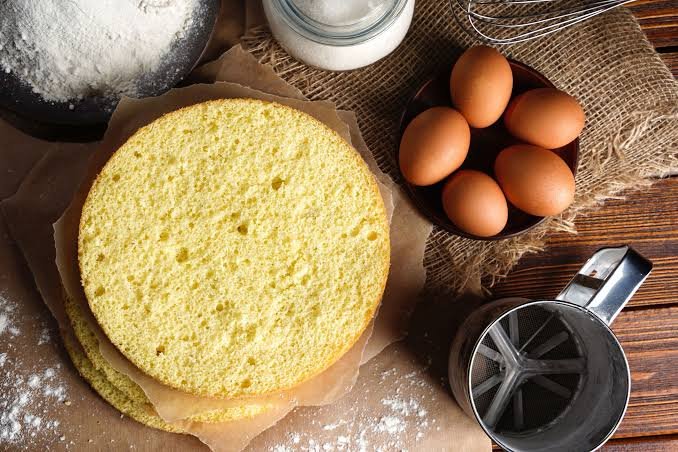
Biskvitas is a classic sponge-style cake known for its light texture, delicate flavor, and attractive golden surface. Although the ingredient list is usually simple, achieving the perfect result depends on technique. A successful biskvitas should feel soft and airy rather than dense, have enough structure to hold its shape, and offer a pleasant balance of sweetness and richness. The golden finish should also look naturally baked instead of overly dark or dry. With the right ingredients, preparation methods, and baking conditions, you can consistently make a delicious biskvitas at home.
Understanding What Makes a Good Biskvitas
The defining characteristic of biskvitas is its texture. The cake should be tender and springy, with a fine crumb that feels light when eaten. Eggs often play an important role because properly beaten eggs can provide much of the structure and air needed for a sponge cake. Flour gives the cake stability, while sugar contributes sweetness and helps create a pleasing crust.
The balance between these ingredients matters. Too much flour can make the cake heavy, while insufficient flour may leave it unable to hold its shape. Excessive sugar can affect structure and browning, and under-beaten eggs can result in a flat, compact cake. For this reason, careful preparation is just as important as measuring ingredients accurately.
Choosing the Right Ingredients
Fresh ingredients are the foundation of flavorful biskvitas. Use fresh eggs, good-quality flour, and fine granulated sugar whenever possible. Eggs should ideally be at room temperature because they can whip more effectively and incorporate air more easily.
Sift the flour before adding it to the batter. This removes lumps and makes the flour lighter, which can help preserve the airy structure of the cake. If your recipe includes vanilla, lemon zest, or another flavoring, use it moderately so that it complements rather than overwhelms the delicate sponge.
Butter or oil may be included in some versions for additional moisture and flavor. If using butter, melted butter should be allowed to cool slightly before incorporating it. Adding very hot butter directly to the mixture can interfere with the batter’s texture.
Preparing the Batter Correctly
One of the most important steps in making biskvitas is incorporating enough air into the eggs. Beat the eggs and sugar until the mixture becomes pale, thick, and noticeably increased in volume. Depending on the recipe and equipment, this can take several minutes.
A properly whipped mixture should leave a visible trail when the whisk is lifted. This indicates that the eggs have developed enough structure to support the cake during baking.
Once the eggs are ready, add the sifted flour gradually. Fold it in gently using a spatula rather than mixing aggressively. The goal is to combine the flour without removing the air that has been incorporated into the eggs.
Overmixing is one of the most common reasons sponge cakes become dense. Use slow, deliberate folding motions and scrape around the bottom and sides of the bowl to ensure there are no pockets of dry flour.
Getting the Ideal Texture
For soft and airy biskvitas, avoid treating the batter like a regular cake batter. The trapped air bubbles are essential. Rough stirring can break these bubbles before the cake reaches the oven.
Prepare the baking pan according to your recipe. Greasing and lining the pan can make removal easier, while some sponge recipes benefit from leaving certain areas of the pan ungreased so the batter can grip the sides as it rises.
Pour the batter into the pan soon after mixing. Allowing it to stand for too long can cause some of the incorporated air to disappear. Spread the batter gently and level the surface without pressing it down.
Baking for a Golden Finish
The oven should be properly preheated before the biskvitas goes inside. A stable baking temperature helps the cake rise evenly and develop its characteristic golden surface.
Avoid opening the oven door during the early stages of baking. Sudden temperature changes can cause a developing sponge cake to collapse. Instead, watch the cake through the oven window when possible.
The exact baking time depends on the size and shape of the pan, as well as the oven temperature. Rather than relying entirely on a timer, look for visual and physical signs of doneness. The surface should be evenly golden, and the center should spring back lightly when touched.
A wooden skewer inserted into the center should come out clean or with only a few moist crumbs. If the top becomes dark before the middle is cooked, the oven temperature may be too high, or the pan may be positioned too close to the upper heating element.
Avoiding Common Biskvitas Mistakes
Several simple mistakes can affect the final result. Using cold eggs can make whipping less effective. Failing to sift the flour can produce a heavier batter, while overmixing can remove the air needed for a light crumb.
Another problem is inaccurate measurement. Baking is sensitive to ingredient ratios, so measuring flour and sugar carefully is important. Packing too much flour into a measuring cup can unintentionally make the cake dense.
Incorrect oven temperature can also create problems. An oven that is too hot may produce a dark crust and undercooked center, while a low temperature may prevent proper rising. If you frequently bake biskvitas, an inexpensive oven thermometer can help verify the actual temperature inside the oven.
Cooling the Cake Properly
Cooling is another important stage. When the biskvitas is removed from the oven, allow it to cool according to the recipe’s instructions. Some sponge cakes are cooled in the pan briefly before being transferred to a rack, while others may require a different method to maintain their shape.
Do not cut the cake while it is extremely hot. The internal structure is still settling, and slicing too early can compress the crumb. Once sufficiently cooled, the cake should have a soft, flexible texture with an even interior.
Enhancing Flavor Without Losing Lightness
Biskvitas has a naturally delicate flavor, which makes it versatile. Vanilla can provide warmth, while lemon or orange zest can add freshness. A small amount of quality butter can create a richer taste without making the sponge unnecessarily heavy.
For a more elaborate dessert, the cooled cake can be paired with whipped cream, fruit, jam, custard, or a light glaze. However, the basic sponge should still taste enjoyable on its own. The best additions enhance the cake rather than hiding its flavor and texture.
How to Achieve Consistent Results
Consistency comes from repeating the same successful techniques. Measure ingredients carefully, use room-temperature eggs when appropriate, whip the egg mixture thoroughly, fold flour gently, and bake in a properly preheated oven.
It is also useful to learn how your particular oven behaves. Two ovens set to the same temperature can produce slightly different results. Keep notes about baking time, pan size, and temperature so you can adjust future batches.
A well-made biskvitas should have a golden exterior, a tender crumb, and enough structure to slice neatly. When these qualities come together, the result is a simple but satisfying cake that works equally well for everyday baking and special occasions.
Final Thoughts
Making excellent biskvitas is less about complicated ingredients and more about careful technique. Fresh ingredients, accurate measurements, properly whipped eggs, gentle folding, controlled baking, and appropriate cooling all contribute to the final result. By paying attention to these details, you can create a sponge with the right texture, balanced flavor, and beautiful golden finish. With practice, these methods become easier to repeat, allowing every biskvitas you bake to become lighter, more flavorful, and more consistent.