

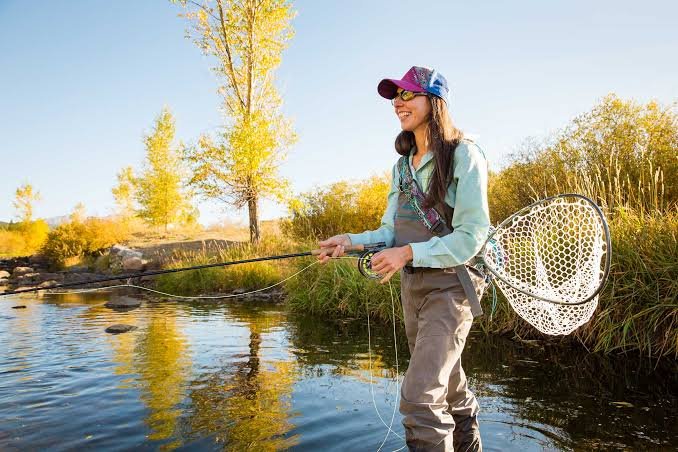
Fly fishing is a rewarding outdoor activity that combines technique, patience, observation, and an appreciation for nature. Whether you are just learning the basics Stephen Gleave Ancaster or have already spent time on rivers and streams, there are always ways to improve your skills. Better casting, stronger fly selection, improved water reading, and greater awareness of fish behavior can all make your time on the water more productive and enjoyable.
Practice Your Casting Regularly
Casting is one of the most important skills in fly fishing. A smooth and controlled cast allows you to place the fly accurately while reducing unnecessary movement. Instead of practicing only when you are standing beside a river, spend some time practicing on an open lawn or another safe area.
Start with basic overhead casts and focus on developing a consistent rhythm. Pay attention to the movement of the rod and avoid using excessive force. The goal is not simply to cast farther but to achieve accuracy and control.
Once your basic cast feels comfortable, practice different distances and casting angles. Try placing the fly toward specific targets rather than simply casting into open space. This can help develop the precision needed when fishing around rocks, vegetation, pools, and other structures.
Improve Your Line Control
Good line control can make a significant difference in fly fishing. After the fly lands on the water, the movement of the line can affect how naturally the fly behaves. Unwanted movement, often called drag, may cause the fly to move unnaturally and reduce your chances of attracting fish.
Learn to manage the line with your non-casting hand while maintaining control of the rod. Practice keeping an appropriate amount of line outside the rod tip and avoid allowing unnecessary slack to build up.
Different water conditions require different approaches. Calm water may demand delicate presentations, while faster currents can require techniques that help the fly move naturally through different current speeds.
Learn to Read the Water
Understanding where fish are likely to be located is just as important as knowing how to cast. Fish often seek areas where they can find food while using relatively little energy.
Look for features such as deeper pools, current seams, submerged structures, shaded areas, and changes in water depth. Rocks and fallen branches can create slower areas where fish may hold. The edges of faster currents can also provide productive feeding locations.
Spend time observing the water before making your first cast. Watch for rising fish, insects on the surface, changes in current direction, and other signs of activity. Careful observation can help you decide where to cast and which presentation to use.
Become Familiar With Local Insects
Fly fishing often involves imitating the insects and other small creatures that fish naturally feed on. Learning about the insects found in your local waters can therefore improve your fly selection.
Pay attention to insects around the river, especially near the water’s edge. Look for differences in size, color, and behavior. You do not need to become an expert entomologist, but recognizing common insect types can help you make more informed decisions.
When you notice fish feeding on the surface, try to identify what they are eating. Matching the general appearance and size of the available food can make your presentation more convincing.
Choose Flies Carefully
Having a large collection of flies is not always necessary. A smaller selection of useful patterns can be more practical when you understand when and how to use them.
Carry flies that represent common food sources in the waters you fish. Consider patterns for insects found during different seasons, as well as flies suitable for surface and underwater presentations.
Fly size is another important consideration. If fish are feeding on very small insects, an oversized fly may appear unnatural. Conversely, a larger food source may call for a larger imitation.
Experimentation is also valuable. If one fly does not produce results, changing the size, color, or presentation may help you discover what the fish are responding to.
Work on Your Presentation
Presentation refers to how the fly reaches and moves through the water. Even the right fly may be ineffective if it lands too heavily or moves unnaturally.
Try to make your casts smooth and controlled. Avoid repeatedly disturbing the same area with unnecessary casts. When fishing a specific location, think about how the current will affect the fly and leader.
Practice different presentations, including delicate casts and approaches that allow the fly to reach areas behind obstacles or across varying current speeds. Over time, you will develop a better understanding of how casting and water movement work together.
Develop Better Observation Skills
Fly fishing rewards anglers who pay attention. Instead of immediately focusing on casting, spend a few minutes studying your surroundings.
Look for birds, insects, surface activity, water movement, and changes in weather. These observations can provide useful clues about what is happening beneath and above the surface.
Keep an eye on your fly and leader when possible, especially when using techniques where strikes may be subtle. Learning to recognize unusual movement can help you react at the right time.
Learn From Every Fishing Trip
Not every fishing trip will produce the results you expect. Instead of considering a quiet day unsuccessful, use it as an opportunity to learn.
Think about where you fished, what the weather was like, which flies you used, and how the fish responded. Keeping a simple fishing journal can be helpful. Record details such as water conditions, approximate time of day, fly patterns, and observations.
Over several trips, these notes may reveal useful patterns. You may discover that certain flies work better during particular seasons or that specific water conditions consistently produce more activity.
Practice Different Techniques
Fly fishing includes many techniques, and developing versatility can make you more comfortable in different environments. Practice both dry-fly and subsurface approaches, depending on the regulations and conditions of the water you fish.
You can also learn techniques designed for casting in tight spaces or presenting flies around obstacles. Each technique adds another option to your fishing toolkit.
Do not try to master everything at once. Choose one technique, practice it regularly, and gradually add new skills as your confidence develops.
Improve Your Equipment Knowledge
You do not need expensive equipment to become a better fly fisher. However, understanding your gear can improve your overall experience.
Learn how your rod, reel, line, leader, and tippet work together. Keep your equipment clean and inspect leaders and tippet for signs of wear. Make sure your knots are secure and practice tying them before you need them on the water.
As your skills improve, you can determine which equipment characteristics matter most for your style of fishing. Knowledge and technique generally provide more value than simply purchasing more gear.
Learn From Experienced Anglers
One of the fastest ways to improve is to learn from people with more experience. Fishing with an experienced friend, joining a local club, or taking a lesson can provide practical knowledge that is difficult to gain from reading alone.
Pay attention to how experienced anglers approach the water. Observe their casting, positioning, fly selection, and line management. Ask questions and remain open to different techniques.
Instruction can also help identify habits that may be limiting your progress. A small adjustment to your casting motion or presentation can sometimes make a noticeable difference.
Respect the Environment
Improving your fly fishing skills also means becoming a responsible angler. Learn and follow local fishing regulations, including seasonal restrictions, licensing requirements, and catch limits.
Handle fish carefully when practicing catch-and-release fishing. Minimize the time fish spend out of the water and use appropriate handling methods. Avoid damaging streamside vegetation and take all waste with you.
Respecting the environment helps preserve healthy waterways and supports the future of the activity.
Conclusion
Improving your fly fishing skills is a gradual process that combines practice, observation, experimentation, and patience. Focus on developing accurate casting, effective line control, water-reading abilities, fly selection, and natural presentation. At the same time, learn from each trip and pay attention to what the water is telling you.
You do not need to master every technique immediately. Consistent practice and a willingness to learn can steadily build confidence. With time, fly fishing becomes more than simply casting a line—it becomes an engaging way to understand water, wildlife, weather, and the natural environment around you.