

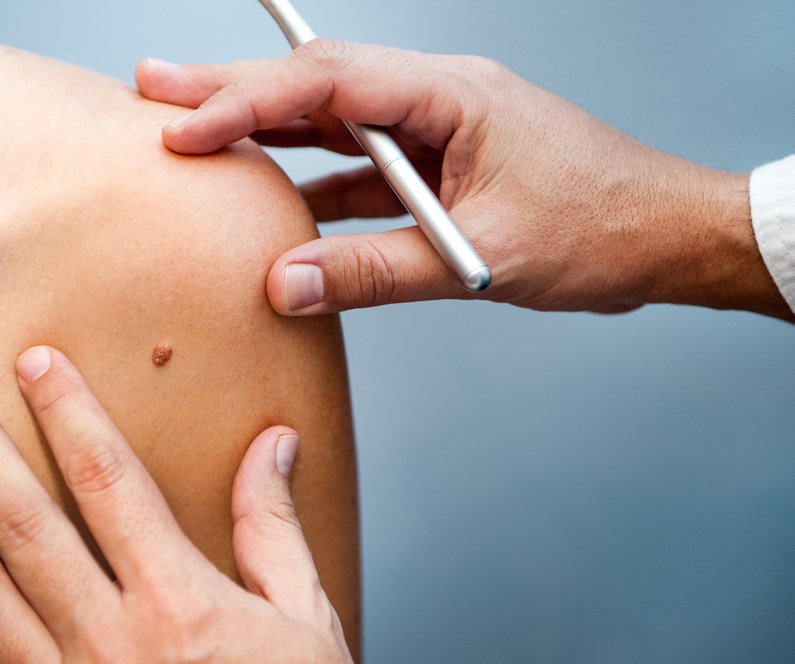
Understanding the Importance of Modern Skin Monitoring
Skin health has become a major focus in preventive healthcare, especially as people become more aware of the risks associated with unusual skin changes. Moles are common skin features that many individuals have throughout their lives, but changes in their size, shape, color, or texture can sometimes indicate potential concerns. With advancements in technology, a mole checker has become a valuable tool that helps individuals monitor their skin more conveniently and identify changes that may require professional attention.
Traditional skin monitoring often depended on occasional visual checks or visits to dermatologists. While professional examinations remain essential, modern digital solutions provide an additional layer of awareness. These tools allow users to capture images, compare changes over time, and receive insights based on advanced image analysis technology. A mole checker supports proactive skin care by helping people stay informed about their skin condition.
How Mole Checker Tools Work
A mole checker uses modern technology such as artificial intelligence, image recognition, and skin analysis algorithms to evaluate the appearance of moles and other skin marks. Users typically upload a clear image of a mole through a smartphone application or online platform. The system then analyzes characteristics such as color patterns, borders, symmetry, and size variations.
Advanced systems are designed to identify visual patterns that may appear unusual. They compare images against large databases of skin conditions to provide an assessment or risk indication. Although these tools are not a replacement for medical diagnosis, they can encourage users to seek expert advice when something appears concerning.
The convenience of a mole checker makes regular monitoring easier. Instead of relying only on memory, individuals can maintain a digital record of their skin changes and observe whether a mole remains stable or develops noticeable differences.
The Role of Artificial Intelligence in Skin Health
Artificial intelligence has transformed many areas of healthcare, and dermatology is one of the fields benefiting from these innovations. AI-powered skin monitoring tools can process large amounts of visual information quickly and recognize patterns that may be difficult to notice with the human eye.
A modern mole checker applies machine learning techniques to evaluate images and highlight possible irregularities. These systems can assist users by providing information about common warning signs, including uneven shapes, inconsistent coloring, or noticeable growth.
The growing use of AI in skin health does not eliminate the need for dermatologists. Instead, it creates a partnership between technology and medical expertise. Digital tools help individuals become more aware of their skin, while healthcare professionals provide accurate diagnosis and treatment recommendations.
Benefits of Using Mole Checker Tools Regularly
One of the biggest advantages of using a mole checker is early awareness. Many skin conditions become easier to manage when detected at an early stage. Regular monitoring helps individuals recognize changes that might otherwise go unnoticed.
Another benefit is convenience. People can check their skin from home without needing immediate appointments for every minor concern. This is especially helpful for individuals who have many moles, a history of skin issues, or difficulty accessing frequent dermatology visits.
A mole checker also promotes better record keeping. Users can save images and track the progress of specific moles over weeks, months, or years. This information can be useful during medical consultations because it provides a visual timeline of changes.
Additionally, these tools encourage people to develop healthier skin care habits. Regular observation, sun protection, and awareness of skin changes all contribute to improved long-term skin health.
Important Features to Look for in a Mole Checker
When choosing a mole checker tool, users should consider several important features. Accuracy and reliability are among the most important factors. A quality platform should use advanced technology and provide clear information about how its analysis works.
Image quality guidance is another valuable feature. Since digital assessment depends on clear photographs, good tools often provide instructions for capturing images under proper lighting conditions.
Privacy and data protection are also essential. Skin images are personal health information, so users should choose platforms that explain how their data is stored and protected.
A useful mole checker should also provide educational resources. Understanding common skin changes, risk factors, and prevention methods helps users make better decisions about their health.
Recognizing Suspicious Skin Changes
While many moles are harmless, certain changes should always receive attention. Dermatologists often recommend watching for warning signs such as changes in size, irregular edges, unusual colors, or changes in sensation.
A mole checker can help identify these differences by allowing users to compare current images with previous records. If a mole appears significantly different over time, seeking professional advice becomes an important next step.
It is also important to remember that every person’s skin is unique. A digital tool can provide guidance, but only a qualified healthcare professional can determine whether a mole requires further examination or testing.
Mole Checker Tools and Preventive Skin Care
Preventive care is becoming increasingly important in modern healthcare. Instead of waiting for symptoms to become serious, people are using technology to stay ahead of possible concerns. A mole checker fits into this approach by making skin monitoring simple, accessible, and consistent.
Regular skin checks combined with healthy habits can support better outcomes. Protecting skin from excessive sun exposure, using sunscreen, and scheduling professional skin examinations when needed are all important parts of responsible skin care.
Technology continues to improve, and future mole checker solutions may offer even more advanced capabilities. As artificial intelligence develops, these tools may become more accurate, personalized, and useful for everyday skin monitoring.
The Future of Digital Skin Monitoring
The future of dermatology is likely to involve greater integration between artificial intelligence, mobile technology, and medical expertise. Digital monitoring tools are creating new opportunities for people to take an active role in their health.
A mole checker represents a modern approach to understanding and tracking suspicious skin changes. It provides users with a convenient way to observe their skin, maintain records, and recognize when professional guidance may be needed.
As awareness of skin health continues to grow, these technologies will play an increasingly important role in preventive care. By combining regular monitoring with expert medical support, individuals can make informed decisions and better protect their skin for the future.