

A Curated Journey Through the Island’s Fashion, Food, and Hospitality Scene
Every great city offers its visitors three essential experiences: the thrill of discovering something beautiful to buy, the pleasure of eating something extraordinary, and the comfort of resting your head somewhere that feels like it was designed specifically for you. Manhattan delivers all three at a level that no other city on earth can match — but only if you know where to look.
This is not a guide for the faint of heart or the easily overwhelmed. Manhattan’s retail, dining, and hospitality landscape is staggeringly dense. The island contains thousands of clothing stores, tens of thousands of restaurants, and hundreds of hotels ranging from boutique townhouse conversions to sprawling luxury complexes with more rooms than some small towns have residents. Navigating this abundance without guidance is a recipe for decision fatigue and missed opportunities.
What follows is a deep exploration of how Manhattan’s shopping, dining, and accommodation scenes work — how they overlap, how they complement each other, and how understanding their interconnections can transform a good visit into an unforgettable one. For those building itineraries or businesses, a thorough Manhattan directory serves as the essential starting point for any serious exploration.
Clothing Stores: Manhattan as Fashion Capital
Manhattan’s relationship with fashion is not merely commercial — it is definitional. The island does not just sell clothing; it sets the terms under which clothing is conceived, produced, marketed, and consumed across the global industry. Seventh Avenue — the traditional heart of New York’s Garment District — may have lost most of its manufacturing function, but its symbolic and commercial influence on the fashion world remains immense.
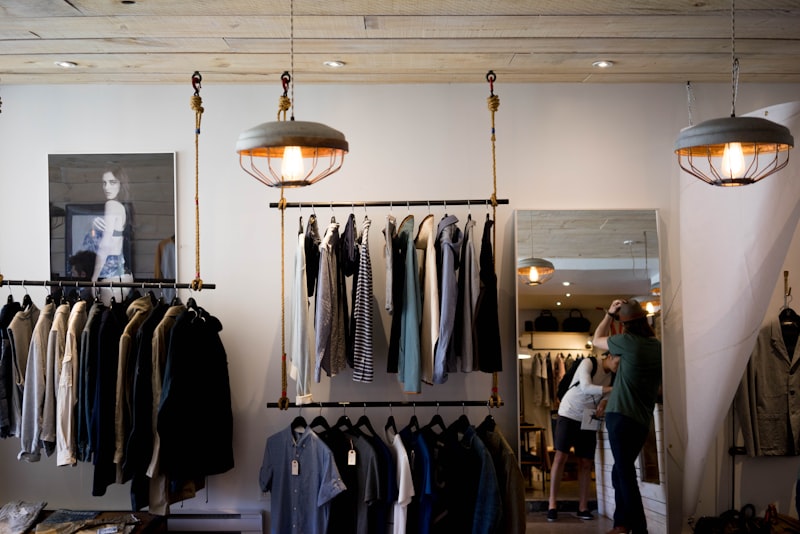
The clothing store landscape in Manhattan operates on multiple tiers simultaneously. At the top sits the luxury retail corridor of Fifth Avenue and Madison Avenue, where flagship stores for brands like Chanel, Prada, Hermès, and Louis Vuitton occupy spaces that are as much architectural statements as they are retail outlets. These stores do not merely sell products — they sell experiences, with personal shoppers, invitation-only events, and interiors designed by the world’s leading architects.
One tier below — though “below” is a relative term — you find the contemporary designer boutiques of SoHo, the Meatpacking District, and Nolita. These neighborhoods have become the preferred retail locations for brands that want to project an image of creative authenticity while still operating at significant commercial scale. The cast-iron architecture of SoHo’s cobblestone streets provides a backdrop that makes even a simple t-shirt purchase feel like a cultural event.
For a complete overview of where to find the best clothing stores throughout Manhattan, from high-end flagships to hidden vintage gems, the directory offers curated listings organized by neighborhood and specialty. The key to Manhattan shopping is understanding that location determines character — the type of store you find in the West Village is fundamentally different from what you will encounter on the Upper East Side.
The Independent and Vintage Scene
Beyond the major brands, Manhattan sustains a thriving ecosystem of independent clothing stores that cater to customers seeking uniqueness over recognition. The East Village, Williamsburg (technically Brooklyn but spiritually connected to Manhattan’s creative class), and the Lower East Side are home to vintage shops, consignment stores, and independent designers who produce in small batches. These stores are where Manhattan’s fashion-forward residents go to find pieces that nobody else will be wearing.
The vintage clothing scene in Manhattan deserves special mention. Stores specializing in curated secondhand fashion — from 1920s beaded flapper dresses to 1990s designer denim — attract both serious collectors and casual browsers. The price points range from surprisingly affordable to eye-wateringly expensive, depending on the rarity and provenance of the pieces. For fashion lovers, these stores are treasure hunts that reward patience and knowledge.
In Manhattan, the act of buying clothes is never purely transactional. It is a form of self-expression, a cultural statement, and — when done right — an experience that stays with you long after the purchase.
Restaurants: The World on One Island
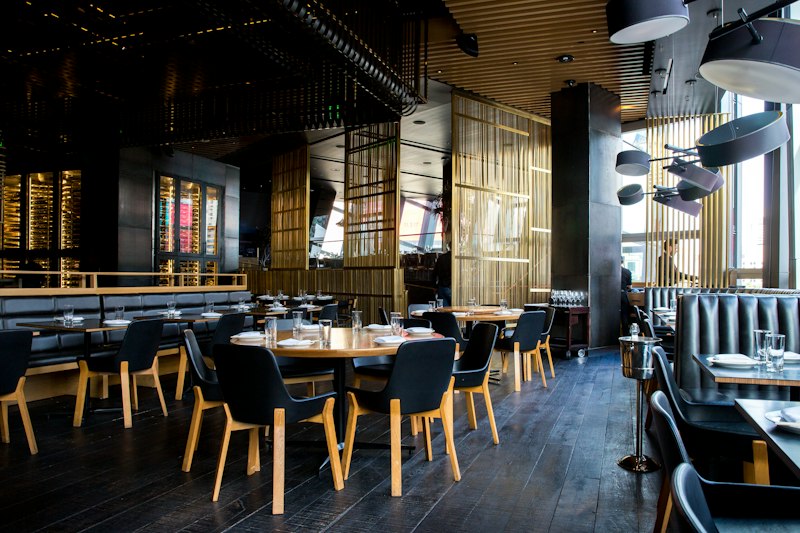
Manhattan has approximately 27,000 restaurants, a number so large it defies comprehension. If you ate at a different Manhattan restaurant every day, it would take you over 70 years to visit them all. And by the time you finished, the landscape would have changed so dramatically that you would need to start over. This relentless churn — restaurants opening, closing, reinventing, and reopening — is part of what makes Manhattan’s dining scene simultaneously thrilling and intimidating.
The diversity is the point. Manhattan restaurants serve cuisine from virtually every culture and tradition on Earth. Within a ten-block walk in Midtown alone, you can eat authentic Sichuan hot pot, traditional Neapolitan pizza, modern Israeli small plates, classic French bistro fare, and hand-pulled ramen that would hold its own in Tokyo. This is not an exaggeration — it is a typical Tuesday.
Understanding the full scope of Manhattan’s restaurant scene requires thinking beyond cuisine types and into neighborhood dynamics. Each area of Manhattan has developed its own culinary identity, shaped by the demographics of its residents, the character of its real estate, and the economics of its commercial rents.
Midtown: The Power Dining Capital
Midtown restaurants operate in a unique context: they serve a clientele that includes business executives, theatergoers, tourists, and hotel guests, all with different expectations and budgets. The power lunch — once a fixture of Manhattan’s corporate culture — has evolved but not disappeared. Steakhouses like The Grill and Smith & Wollensky continue to host deal-making lunches where the food matters less than the ambiance and the privacy of the booth.
But Midtown has also become a surprisingly exciting dining destination for those willing to look beyond the obvious. Restaurant Row on West 46th Street, adjacent to the Theater District, offers pre-show dining options that range from tourist-friendly Italian to genuinely inventive chef-driven concepts. The Koreatown corridor along 32nd Street provides some of the city’s most authentic Korean BBQ, fried chicken, and soju bars — open late enough to serve the post-theater crowd.
Downtown: Innovation and Authenticity
Downtown Manhattan — particularly the West Village, Greenwich Village, and Tribeca — is where many of the city’s most celebrated chefs have chosen to establish their flagship restaurants. The intimate scale of these neighborhoods, combined with the cobblestone streets and historic architecture, creates an atmosphere that perfectly complements the chef-driven, ingredient-focused dining that has become Downtown’s culinary signature.
The financial district’s restaurant scene has transformed dramatically in recent years. Where once the only options after 6 PM were a few surviving delis and hotel bars, there is now a vibrant evening dining scene driven by the area’s growing residential population. The South Street Seaport development brought several high-profile restaurant openings, and the surrounding blocks have attracted everything from craft cocktail bars to casual taco spots that serve the neighborhood’s increasingly diverse population.
Uptown: Tradition and Community
Uptown’s restaurant scene tells a different story — one of cultural preservation and community identity. In Harlem, restaurants like Sylvia’s and Red Rooster serve food that is inseparable from the neighborhood’s history. Soul food, Caribbean cuisine, and Ethiopian restaurants reflect the African and Caribbean diaspora communities that have called Harlem home for generations.
On the Upper West Side, the dining scene skews toward neighborhood favorites — family-owned Italian restaurants, reliable sushi counters, and the kind of comfortable, unpretentious establishments where regulars are greeted by name and the menu has not changed in years because it does not need to. These restaurants are not trendy, and they do not seek to be. They are woven into the daily rhythms of their communities, and that is precisely what makes them essential.
Hotels: Where to Rest Your Head
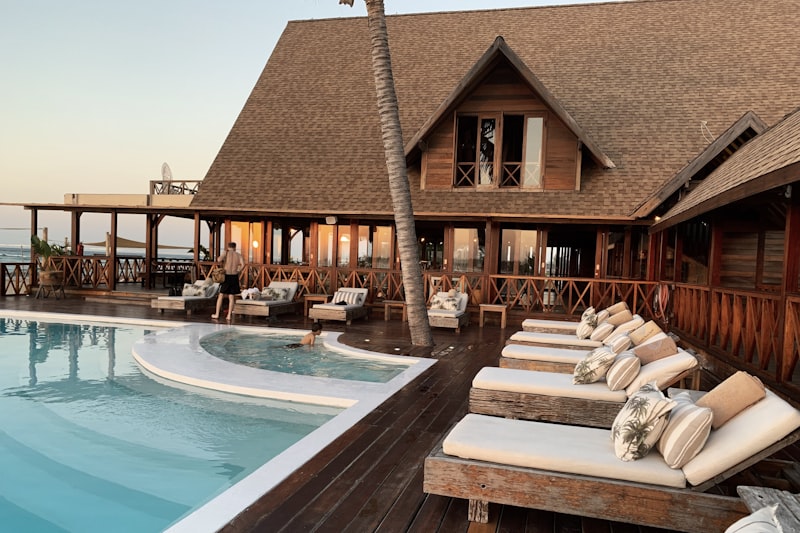
Manhattan’s hotel scene is as varied as its dining and shopping landscapes, but it operates under a unique constraint: space. Every square foot of Manhattan real estate is precious, and this reality has forced hotel designers to be extraordinarily creative with how they use it. The result is a hotel landscape where inventive design, strategic location, and curated experiences matter more than sheer size.
The luxury tier is, predictably, extraordinary. Hotels like The Plaza, The St. Regis, The Carlyle, and The Mandarin Oriental offer levels of service and design that are globally benchmarked. These are not merely places to sleep — they are institutions, woven into the cultural fabric of the city. The Plaza’s Palm Court, the St. Regis’s King Cole Bar, the Carlyle’s Bemelmans Bar — these are destinations that non-guests visit specifically because they are iconic.
For a comprehensive overview of hotels across Manhattan, the directory provides detailed information on accommodations ranging from five-star palaces to well-designed boutique properties that offer personality and value. The key is matching the hotel to the experience you want:
- Midtown hotels — best for first-time visitors who want walkable access to major attractions, Broadway theaters, and shopping. The concentration of options means competitive pricing even at the luxury level.
- Downtown hotels — best for travelers who want a more local, less tourist-heavy experience. The Financial District and Tribeca offer sophisticated accommodations with easy access to the waterfront, the Village, and Brooklyn.
- Uptown hotels — best for visitors who prioritize culture and quiet. Options are fewer but often exceptional, with many smaller properties offering a level of personal service that larger hotels cannot replicate.
The Boutique Revolution
The most significant trend in Manhattan’s hotel industry over the past decade has been the rise of boutique hotels. These properties — typically under 200 rooms — differentiate themselves through design, location, and a curated approach to the guest experience. They attract a clientele that values individuality over brand recognition, and they have proven that smaller properties can compete with major chains by offering something those chains cannot: a sense of place.
Neighborhoods like the Lower East Side, NoMad, and Chelsea have become hotbeds of boutique hotel development. These properties often incorporate elements of their neighborhoods into their design and programming — art from local galleries on the walls, menus sourced from nearby farms, and concierge recommendations that steer guests toward neighborhood experiences rather than tourist attractions.
The best Manhattan hotel experience is one where you feel connected to the city outside your window. The hotel should be a portal to the neighborhood, not a barrier against it.
The Interconnected Experience
What makes Manhattan extraordinary is how shopping, dining, and accommodation overlap and reinforce each other. A visitor staying at a boutique hotel in the Meatpacking District will likely shop at the nearby boutiques on West 14th Street, dine at a Chelsea Market vendor or a West Village restaurant, and discover a rooftop bar with skyline views that they would never have found without the hotel concierge’s recommendation.
This interconnectedness is by design. Manhattan’s most successful businesses understand that they are not operating in isolation — they are part of an experience ecosystem. Hotels partner with nearby restaurants to offer exclusive dining packages. Clothing stores host events at neighboring galleries. Restaurants collaborate with local farms and artisans to create menus that tell a story about place and community.
For anyone planning a Manhattan visit — or for business owners looking to position themselves within this ecosystem — having access to a complete Manhattan business directory is not just helpful. It is essential. The difference between a good Manhattan trip and a great one often comes down to knowing which clothing stores match your aesthetic, which restaurants suit your mood, and which hotels will place you exactly where you need to be.
Conclusion: The Manhattan Effect
There is a reason people describe certain experiences as feeling “very Manhattan”. It is the feeling of walking out of a perfectly curated boutique with a bag containing something you did not know you needed until you saw it. It is the memory of a meal where every element — the food, the wine, the lighting, the conversation at the next table — combined to create something that felt effortlessly perfect. It is the moment you open the door to your hotel room and realize that the view from your window makes the entire city feel like it belongs to you.
These experiences do not happen by accident. They happen because Manhattan’s retail, dining, and hospitality businesses operate at a level of ambition and attention to detail that reflects the island’s own character. Shop, dine, and stay — the three pillars of any great urban experience — reach their highest expression in Manhattan. All you need is the willingness to explore and the right resources to guide your way.