

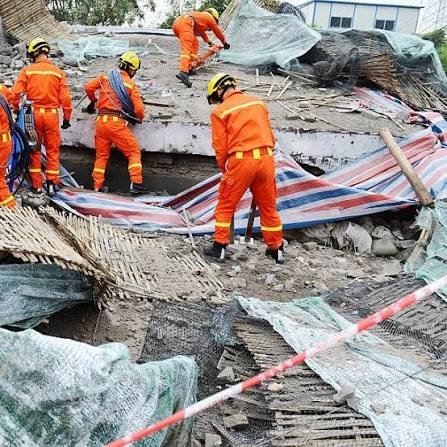
Property damage can happen unexpectedly due to floods, fires, severe storms, plumbing failures, or other emergencies. These events can disrupt daily life, damage valuable belongings, and disaster cleanup create serious concerns about the safety of a building. Recovering a property after such an incident requires more than basic cleaning. It often involves careful assessment, specialized equipment, proper sanitation, and a well-organized restoration plan. This is where professional disaster cleanup teams play an important role.
Professional disaster cleanup services help property owners manage the recovery process efficiently while reducing the risk of further damage. From removing debris to addressing moisture problems and restoring affected spaces, experienced teams provide practical solutions that support a safer and more organized return to normal life.
Understanding the Importance of Professional Disaster Cleanup
Disaster cleanup involves removing contaminants, damaged materials, debris, and other hazards following an unexpected event. Depending on the situation, the process may include water extraction, smoke residue removal, structural drying, odor control, and specialized sanitation.
Although some minor cleanup tasks can be handled independently, major property damage often requires professional assistance. Hidden moisture, contaminated surfaces, unstable building materials, and smoke residue can create problems that are not immediately visible.
Professional teams understand how different types of damage affect buildings. They assess the condition of the property, identify areas that need attention, and develop an appropriate cleanup strategy. Their organized approach helps property owners avoid overlooking important issues during the recovery process.
Rapid Response Helps Prevent Additional Damage
One of the most important benefits of professional disaster cleanup is a timely response. After an emergency, damage can continue to develop even after the initial incident has ended.
For example, water left inside walls, floors, and ceilings can contribute to mold growth and material deterioration. Smoke residue may continue affecting indoor air quality, while exposed building materials can become more vulnerable to additional moisture or contamination.
Professional cleanup teams prioritize urgent concerns and take appropriate steps to limit further deterioration. Depending on the situation, these measures may include water removal, controlled drying, debris clearance, and temporary protection for damaged areas.
A prompt response can help preserve materials that might otherwise require replacement. It also provides property owners with a clearer understanding of the work needed to restore the building.
Comprehensive Property Damage Assessment
Before beginning major cleanup activities, professionals typically evaluate the affected property. This assessment helps determine the extent of the damage, identify potential hazards, and establish priorities for restoration.
The inspection may cover walls, floors, ceilings, electrical systems, plumbing, insulation, and personal belongings. Cleanup specialists also look for less obvious problems, such as moisture trapped behind surfaces or smoke residue in ventilation areas.
Based on their findings, the team can recommend suitable cleanup procedures and explain which materials may be restored and which may need replacement. Documentation, including photographs and written observations, can also help property owners communicate with insurance providers.
A thorough assessment makes the recovery process more organized. Instead of relying on guesswork, property owners can follow a plan based on the building’s actual condition.
Specialized Cleanup for Different Types of Disasters
Every disaster creates different restoration challenges. Professional teams adjust their methods according to the source and severity of the damage.
Water and Flood Damage Cleanup
Flooding, burst pipes, leaking appliances, and roof damage can introduce significant amounts of water into a building. Professional water damage cleanup may involve water extraction, moisture measurements, drying equipment, and inspections of affected materials.
Special attention is necessary when floodwater may contain sewage, chemicals, or other contaminants. In such cases, trained professionals determine the appropriate protective measures and sanitation procedures.
Proper drying is essential because moisture can remain inside building materials long after visible water has disappeared. Addressing these hidden moisture problems helps reduce the likelihood of mold growth and structural deterioration.
Fire and Smoke Damage Restoration
Fire damage can affect a property even in areas that were not directly exposed to flames. Smoke can travel through rooms, leaving residue on walls, ceilings, furniture, and other surfaces. Strong odors may also remain in fabrics and porous materials.
Professional fire cleanup teams use suitable cleaning methods to address soot, smoke residue, and odor problems. They assess which materials can be cleaned and which may be too damaged to recover.
Depending on the incident, restoration may also require ventilation cleaning, debris removal, and coordination with qualified contractors to repair damaged building components.
Storm and Severe Weather Cleanup
Severe storms can damage roofs, break windows, scatter debris, and allow rainwater to enter a building. High winds and fallen trees may also affect exterior structures and surrounding property.
Disaster cleanup professionals help remove debris, identify areas exposed to weather, and arrange temporary protection where appropriate. They can also coordinate additional restoration work to address damaged roofing, walls, flooring, and other building components.
Timely cleanup helps reduce the risk of secondary damage while creating a safer environment for the next stages of recovery.
Safe Removal of Damaged Materials and Debris
After a disaster, damaged furniture, broken building materials, soaked carpets, and other debris may need to be removed. However, not every item can be handled or discarded in the same way.
Some materials may contain harmful contaminants, sharp fragments, or substances that require special handling. Professional teams evaluate these risks and use appropriate protective equipment and disposal procedures.
Careful removal also helps prevent damage to unaffected areas of the property. By separating salvageable belongings from materials that cannot be restored, cleanup specialists can make the recovery process more efficient.
When hazardous substances are suspected, qualified specialists should assess the situation before cleanup continues. This is particularly important when the property may contain asbestos, lead-based materials, sewage contamination, or other regulated hazards.
Cleaning, Sanitization, and Odor Control
Removing visible debris is only one part of disaster recovery. Surfaces and belongings may still contain contaminants, bacteria, soot, or unpleasant odors after the initial cleanup.
Professional disaster cleanup teams select cleaning and sanitation methods based on the type of damage and the materials involved. Appropriate procedures may include surface cleaning, targeted disinfection, specialized deodorization, and the removal of items that cannot be safely restored.
Odor control is especially important following fires, flooding, and sewage-related incidents. Simply covering an unpleasant smell with fragrance does not resolve the underlying problem. Effective treatment addresses the source of the odor and the affected materials.
These measures help create a cleaner indoor environment and prepare the property for repairs, rebuilding, or reoccupation when it is safe to do so.
Supporting Insurance Claims and Recovery Planning
Dealing with property damage can be financially and administratively challenging. Property owners may need to document losses, communicate with insurance representatives, and coordinate multiple contractors.
Professional cleanup companies can support this process by providing service records, photographs, damage observations, and descriptions of completed work. These documents may help property owners explain the condition of the building and discuss restoration costs with their insurance providers.
However, insurance coverage varies according to the policy, the cause of the damage, and the specific circumstances of the incident. Property owners should review their policy and contact their insurer promptly to understand the applicable requirements.
A clear recovery plan can also help organize cleanup, repairs, inspections, and rebuilding into manageable stages.
Choosing the Right Disaster Cleanup Company
Selecting a reliable disaster cleanup provider is an important decision. Property owners should look for companies with relevant experience, appropriate training, suitable equipment, and a clear approach to safety.
It is helpful to ask about the company’s experience with the specific type of damage, its assessment process, the services included in the estimate, and its procedures for handling contaminated materials. Depending on the work involved, relevant licenses, certifications, and specialist qualifications may also be necessary.
Transparent communication is equally important. A dependable provider should explain the recommended work, identify potential limitations, discuss expected timelines, and provide written information about costs and services.
Property owners should be cautious of unrealistic promises, unclear pricing, or pressure to approve extensive work before the damage has been properly assessed.
Long-Term Benefits of Professional Disaster Cleanup
Professional cleanup does more than improve the immediate appearance of a damaged building. When performed correctly, it can help limit secondary damage, protect recoverable materials, address sanitation concerns, and support a more effective restoration process.
Early intervention may also reduce avoidable repair expenses by identifying problems before they become more extensive. Thorough drying, appropriate cleaning, and careful documentation can provide a stronger foundation for rebuilding and future property maintenance.
Once restoration is complete, property owners can consider preventive improvements, such as maintaining drainage systems, inspecting roofs, repairing plumbing leaks, installing suitable water alarms, and reviewing emergency plans.
These steps cannot prevent every disaster, but they may reduce the impact of future incidents.
Conclusion
Disaster cleanup is a critical step in recovering a property after flooding, fire, storms, or other damaging events. Professional teams bring the knowledge, equipment, and organized procedures needed to assess damage, remove debris, address contamination, and prepare buildings for restoration.
By responding promptly, following appropriate safety measures, and creating a clear recovery plan, property owners can make informed decisions throughout a difficult situation. Choosing an experienced disaster cleanup company can help protect the property, reduce the risk of additional damage, and support a safer return to everyday life.
Whether the incident affects a residential home, commercial building, or rental property, professional disaster cleanup services provide valuable assistance in turning a damaged space into a property that can be safely restored and used again.