

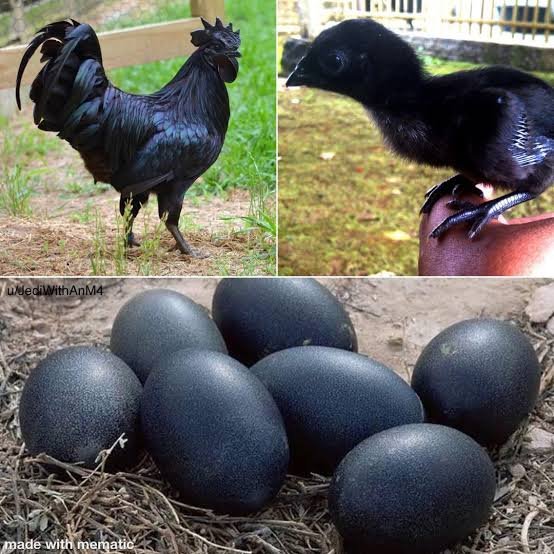
Ayam Cemani chickens are among the most distinctive poultry breeds in the world. Known for their striking black feathers, dark skin, and unusual appearance, these rare Indonesian chickens have attracted the attention ayam cemani eggs of poultry enthusiasts, backyard keepers, and specialty breeders. For anyone interested in raising this remarkable breed, searching for Ayam Cemani eggs for sale can be an exciting first step.
However, purchasing hatching eggs requires careful consideration. Buyers need to understand the breed’s characteristics, egg quality, fertility, incubation requirements, and the importance of choosing a reputable seller. Learning about these factors before making a purchase can help improve the chances of a successful hatch and a rewarding poultry-keeping experience.
Understanding the Ayam Cemani Chicken Breed
The Ayam Cemani originated in Indonesia and is recognized for its unusual dark pigmentation. Its feathers, skin, comb, wattles, and legs are typically black, creating an appearance that distinguishes it from most other chicken breeds. This characteristic is associated with a genetic condition known as fibromelanosis, which causes extensive pigmentation in various tissues.
Despite its dramatic appearance, the Ayam Cemani is a domestic chicken with ordinary poultry needs, including suitable housing, balanced nutrition, clean water, and protection from predators.
The breed is considered relatively rare in many regions, and purebred birds may be more difficult to find than common backyard chickens. As a result, hatching eggs can offer an opportunity for poultry keepers to begin raising Ayam Cemani chickens without purchasing fully grown birds.
Nevertheless, rarity alone does not guarantee quality. Buyers should prioritize reliable breeding information, healthy parent stock, and transparent seller practices when comparing available eggs.
Why Buy Ayam Cemani Hatching Eggs?
Purchasing hatching eggs offers several advantages for people interested in raising this distinctive breed. One of the main benefits is the opportunity to observe the entire development process, from incubation to hatching and eventually raising young chicks.
Hatching eggs may also be more convenient to transport than live birds, depending on the seller’s location, packaging methods, and shipping arrangements. Buyers can potentially access breeding stock from specialist poultry farms that are not available locally.
Another advantage is the opportunity to develop a flock over time. With successful hatching and appropriate breeding management, poultry keepers can gradually establish a group of Ayam Cemani chickens.
However, buyers should understand that hatching eggs do not guarantee live chicks. Fertility, handling, storage, shipping conditions, and incubation management all influence hatch rates. Even carefully selected eggs may fail to hatch, so it is important to approach the purchase with realistic expectations.
What to Look for When Buying Ayam Cemani Eggs for Sale
Choosing the right supplier is one of the most important steps when purchasing Ayam Cemani hatching eggs. A trustworthy seller should be able to explain how the eggs are produced, how breeding birds are maintained, and how orders are prepared for delivery.
Verify the Seller’s Reputation
Before placing an order, research the breeder’s reputation. Look for detailed customer reviews, evidence of breeding experience, and clear communication about the products offered.
A reputable seller should answer questions about flock management, egg collection, fertility monitoring, and shipping policies. Be cautious of sellers who make unrealistic promises, refuse to provide basic information, or advertise guaranteed hatch rates.
Photos and videos of the actual breeding flock may help buyers evaluate the seller’s claims. However, images alone cannot prove that eggs come from purebred Ayam Cemani chickens.
Ask About Fertility and Parent Stock
Fertility is a major consideration when purchasing hatching eggs. Ask whether the eggs come from an established breeding flock and whether the breeder regularly monitors fertility.
It is also helpful to ask about the parent birds’ characteristics, age, health, and breeding background. Reliable records can provide greater confidence that the eggs come from the advertised breed.
Remember that fertility information is not the same as a guarantee. Even eggs from a healthy, well-managed flock may not all develop successfully.
Examine Egg Quality
Ayam Cemani eggs are generally cream to light brown rather than black. Their shells should be intact, without visible cracks, significant damage, or unusual contamination.
Avoid purchasing eggs that appear heavily soiled, damaged, or improperly stored. Shell condition matters because cracks and poor handling can increase the risk of contamination and reduce the chances of successful incubation.
Buyers should also confirm the number of eggs included in each order, the packaging method, and whether the seller offers any replacement policy for damaged deliveries.
Understanding Ayam Cemani Egg Appearance
One common misconception about Ayam Cemani chickens is that their eggs are black. Although the breed is famous for its dark pigmentation, its eggs are typically light-colored.
The shell color is usually cream or pale brown, similar to eggs produced by many other chicken breeds. The dark pigmentation associated with the breed does not turn the eggshell black.
This distinction is important when shopping online. Listings featuring supposedly black Ayam Cemani eggs should be examined carefully because misleading descriptions may indicate inaccurate product information.
Egg size and shade can vary between individual hens and breeding lines. Therefore, buyers should focus on the seller’s credibility, breeding records, and egg condition instead of expecting every egg to look exactly the same.
Incubation Requirements for Successful Hatching
After purchasing Ayam Cemani hatching eggs, proper incubation becomes essential. Chicken eggs generally require approximately 21 days to hatch, although individual eggs may hatch slightly earlier or later.
A reliable incubator should maintain stable temperature and humidity according to the manufacturer’s instructions and established poultry-incubation guidance. Temperature fluctuations, excessive humidity, and inadequate ventilation can interfere with embryo development.
Eggs also require regular turning during most of the incubation period. Many automatic incubators perform this task, helping maintain consistent conditions and reducing the amount of manual handling required.
Near the end of incubation, eggs are typically transferred to a hatching phase in which turning stops and humidity is adjusted according to the equipment’s instructions.
Buyers should prepare the incubator before the eggs arrive and allow time to check that it operates correctly. Shipped eggs may also benefit from resting in an appropriate position before incubation, depending on their handling history and the breeder’s advice.
Because transportation can affect hatchability, buyers should avoid assuming that every delivered egg will produce a chick.
Shipping, Packaging, and Delivery Considerations
Shipping is an important factor when purchasing Ayam Cemani eggs from distant breeders. Hatching eggs are fragile, and rough handling during transportation can affect their internal structure even when the shells remain unbroken.
Look for sellers who use protective packaging designed specifically for hatching eggs. Packaging should help prevent excessive movement and reduce the risk of cracks during transit.
Before ordering, confirm the estimated delivery time, shipping cost, tracking availability, and procedure for reporting damaged eggs. Ask whether the seller has experience shipping hatching eggs to your region.
International buyers should also investigate import permits, veterinary documentation, customs requirements, and any restrictions that apply to poultry products. Regulations vary by country, so checking official requirements before purchasing can help prevent delays or rejected shipments.
How Much Do Ayam Cemani Hatching Eggs Cost?
The price of Ayam Cemani eggs for sale can vary considerably depending on the breeder, location, demand, egg quantity, breeding quality, and shipping expenses.
Eggs from established breeders with documented parent stock may cost more than those offered by less specialized sellers. Small orders can also have a higher price per egg because packaging and handling expenses are spread across fewer items.
When comparing prices, consider the complete cost rather than the advertised price alone. Shipping, import fees, incubation equipment, chick feed, housing, and ongoing care can add significantly to the total investment.
A very low price does not automatically mean poor quality, just as a high price does not guarantee purity or successful hatching. Comparing seller transparency, breeding information, and customer support is often more useful than choosing an offer based solely on cost.
Preparing to Raise Ayam Cemani Chicks
Successful hatching is only the beginning of raising Ayam Cemani chickens. Before the eggs arrive, prepare a clean, secure brooder with suitable heating, good ventilation, absorbent bedding, and enough space for the chicks to move comfortably.
Provide fresh water in a chick-safe drinker and age-appropriate starter feed formulated to meet young poultry’s nutritional needs. Monitor the brooder environment carefully, adjusting conditions according to the chicks’ behavior and development.
As the birds grow, they will need a secure coop, appropriate roosting space, protection from predators, and access to clean water and balanced feed. Regular observation can help identify changes in appetite, activity, or general condition that may require attention.
It is also important to understand that not every chick will develop the exact appearance or breeding characteristics a buyer expects. Maintaining accurate records and selecting breeding birds carefully can help support a healthy flock over time.
Common Mistakes to Avoid When Buying Ayam Cemani Eggs
First, avoid purchasing from sellers who cannot explain the origin of their eggs. Unclear breeding information makes it difficult to evaluate whether the product matches the advertised breed.
Second, do not assume that a large order automatically provides better value. If incubation space is limited or experience is minimal, a smaller order may be more manageable.
Third, never rely exclusively on photographs or claims of guaranteed hatchability. Ask practical questions and review the seller’s policies before paying.
Finally, do not overlook the long-term responsibilities of poultry ownership. Chicks need suitable housing, nutrition, routine care, and sufficient space as they mature.
Conclusion
Finding Ayam Cemani eggs for sale can be an exciting opportunity for poultry enthusiasts who want to raise one of the world’s most visually distinctive chicken breeds. However, making an informed purchase requires more than finding an attractive listing or the lowest available price.
Buyers should evaluate seller credibility, breeding records, egg quality, fertility information, shipping practices, and incubation requirements before placing an order. They should also prepare suitable facilities and understand the ongoing responsibilities involved in raising healthy chickens.
With careful research, realistic expectations, and responsible poultry management, prospective buyers can approach the process with greater confidence. Whether the goal is to establish a small backyard flock or develop a specialized breeding program, choosing quality hatching eggs from a trustworthy source is an important first step toward raising Ayam Cemani chickens successfully.