

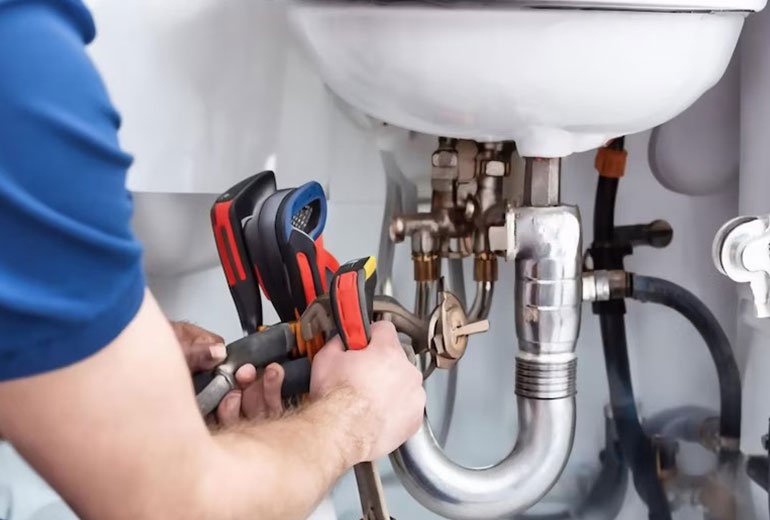
Plumbing emergencies can happen without warning. A burst pipe, overflowing toilet, blocked drain, or sudden loss of water can quickly turn into a stressful and expensive problem. Knowing what to do during the first few minutes can help reduce water damage and protect your home. This emergency plumber guide explains the practical steps homeowners should take when a plumbing crisis strikes and when professional help is necessary.
Recognize a Plumbing Emergency
Not every plumbing problem requires immediate professional assistance, but some situations should never be ignored. A burst or severely leaking pipe, major water leak, sewage backup, overflowing toilet that cannot be stopped, or complete loss of water may require urgent attention.
The key factor is whether the problem can cause significant property damage, create a health concern, or prevent essential plumbing systems from working properly. If water is spreading quickly or you cannot control the source, contacting an emergency plumber should be a priority.
Shut Off the Water Supply
The first step in many plumbing emergencies is to stop the flow of water. Locate your home’s main water shut-off valve and turn it clockwise to close it. This can significantly reduce flooding and prevent additional damage while you wait for professional assistance.
For a localized problem, such as a leaking toilet or sink, you may be able to use the individual shut-off valve near the fixture. Knowing where these valves are located before an emergency happens can save valuable time.
After shutting off the water, open a nearby faucet briefly to release pressure from the plumbing system. Do not attempt this if doing so could expose you to contaminated water or another safety hazard.
Turn Off Electricity When Necessary
Water and electricity are a dangerous combination. If water has reached electrical outlets, appliances, wiring, or electrical panels, avoid touching wet electrical equipment.
If you can safely access the main electrical panel without stepping through water or entering a hazardous area, turn off electricity to the affected section of the home. If there is any doubt about electrical safety, leave the area and contact a qualified professional.
Never prioritize saving property over personal safety.
Contain the Water
Once the water supply is under control, try to limit the spread of water. Use towels, buckets, mops, or other suitable materials to collect standing water. Move furniture, electronics, documents, and other valuable items away from wet areas if it is safe to do so.
For larger leaks, temporary containment may not be enough. Water can quickly move underneath flooring, behind walls, and into ceilings. Professional intervention is important because visible water may only represent part of the damage.
Avoid Making the Problem Worse
A common mistake during a plumbing emergency is attempting a complicated repair without the right tools or knowledge. Tightening the wrong connection, cutting into a pipe, using excessive drain-cleaning chemicals, or dismantling a fixture can make the situation worse.
If you have a simple clogged drain, a plunger may be appropriate. However, repeated plunging may not solve a deeper blockage. Likewise, chemical drain cleaners can damage certain plumbing materials and may create additional hazards for anyone who later works on the pipe.
When basic measures do not work, stop experimenting and call an emergency plumber.
Deal With an Overflowing Toilet
An overflowing toilet can release a substantial amount of water in a short period. Immediately turn off the toilet’s water supply using the small valve behind or beside the toilet.
If the toilet is clogged, avoid repeatedly flushing it. A properly used plunger may resolve a minor blockage, but persistent overflow can indicate a deeper obstruction in the drain line.
If wastewater is involved, wear appropriate protective equipment and keep children and pets away from the affected area. Sewage can contain harmful microorganisms and should be handled carefully.
Respond to a Burst Pipe
Burst pipes are among the most serious household plumbing emergencies. Water can enter walls, floors, insulation, and ceilings very quickly.
Turn off the main water supply immediately. If possible, open faucets to relieve pressure after the main valve has been closed. Then contact an emergency plumber for professional repair.
Do not attempt to permanently repair a severely damaged pipe using tape or household materials. Temporary measures may sometimes slow a minor leak, but a burst pipe generally requires proper replacement or professional repair.
Handle a Sewer Backup Carefully
Sewage backups require special caution because contaminated water can create health risks and cause extensive property damage. Do not enter heavily contaminated areas unnecessarily, and keep children and pets away.
Avoid using sinks, toilets, showers, washing machines, or other fixtures that discharge into the affected drainage system until the problem has been assessed.
A professional plumber can identify whether the blockage is located within your home’s drainage system or connected to a larger sewer problem. Prompt action can help reduce contamination and structural damage.
Know When to Call an Emergency Plumber
Calling professional help quickly is important when a plumbing issue is beyond simple household maintenance. Situations involving uncontrolled leaks, burst pipes, sewage, serious drain blockages, no water supply, or water damage inside walls should be professionally assessed.
An emergency plumber has specialized equipment and experience to locate leaks, clear difficult blockages, repair damaged pipes, and restore essential plumbing services. Professional assistance can also help prevent a temporary solution from becoming a larger and more expensive repair.
When contacting a plumber, clearly explain what happened, where the problem is located, whether the water has been shut off, and whether electricity or sewage is involved. Providing accurate information can help the plumber prepare for the job.
Document the Damage
If it is safe to do so, take photographs or videos of the affected areas before cleanup begins. Document damaged flooring, walls, ceilings, furniture, appliances, and personal belongings.
Keep records of emergency repair work, invoices, and other relevant expenses. These documents may be useful if you need to communicate with your home insurance provider.
Do not delay necessary repairs simply to document damage. Preventing further damage should remain the priority.
Prevent Future Plumbing Emergencies
Preparation can make future plumbing problems much easier to manage. Learn where your main shut-off valve is located and make sure household members know how to use it.
Regularly inspect exposed pipes, faucets, toilets, water heaters, and visible connections for signs of leaks or corrosion. Address slow drains and recurring blockages rather than allowing them to develop into major problems.
It is also helpful to keep basic plumbing supplies available, such as a plunger, adjustable wrench, bucket, towels, and replacement washers suitable for minor repairs.
Scheduling professional plumbing inspections can also identify potential problems before they become emergencies. Older pipes, recurring leaks, poor water pressure, and repeated drain blockages can all indicate underlying issues.
Choose the Right Emergency Plumber
When a crisis occurs, choosing a reliable professional matters. Look for a licensed and experienced plumber who provides emergency services and clearly explains the required work.
Ask about response times, diagnostic procedures, repair options, and pricing before work begins when circumstances allow. A reputable plumber should communicate clearly rather than pressure you into unnecessary services.
It is also wise to research emergency plumbing providers before you actually need one. Saving a trusted contact in your phone can eliminate the need to search for assistance while dealing with a flooded home.
Stay Calm and Act Quickly
A plumbing emergency can feel overwhelming, but taking the right steps can make a significant difference. Shut off the water, address electrical hazards safely, contain the damage, avoid risky repairs, and contact an emergency plumber when professional assistance is required.
The most important lesson is preparation. Knowing where your water shut-off valve is located, recognizing serious plumbing problems, and having a reliable professional available can help protect your home when an unexpected plumbing crisis strikes.