

Dealing with wastewater and plumbing overflows is one of the most stressful experiences a property owner can face. Beyond the immediate inconvenience and unpleasant disruption to daily life, sewage spills present severe biological, chemical, and structural hazards. While minor plumbing clogs can often be managed with a plunger or a basic drain snake, actual sewage backups require specialized intervention. Knowing when to call a professional sewage cleaning service can protect your health, safeguard your property investment, and ensure that cleanup is handled safely and thoroughly.
Understanding the Severity of Sewage Backups
Wastewater is categorized in the restoration and plumbing industries as “Blackwater.” This classification means the liquid contains harmful pathogens, bacteria, viruses, parasites, and toxic chemicals originating from human waste, industrial runoff, and decaying organic matter. When wastewater enters living or working spaces, it does not merely wet the flooring; it contaminates everything it touches.
Unlike clean water leaks from a supply line, sewage requires immediate, specialized mitigation protocols. Porous materials such as drywall, carpeting, insulation, and upholstered furniture absorb contaminated moisture rapidly. Once saturated, these materials are nearly impossible to sanitize fully and usually require professional disposal. Recognizing the difference between a simple drain overflow and a full-scale biohazard incident is the first step toward effective remediation.
Warning Signs That Require Professional Intervention
Property owners frequently underestimate the complexity of wastewater contamination. While a slow-draining sink can be cleared manually, certain indicators signal that the problem has escalated beyond a standard DIY fix.
Standing Water and Rapid Spread
If you discover pooling water near floor drains, toilets, or basement utility sinks, the situation demands urgent attention. Wastewater rarely stays contained; it follows the path of least resistance, seeping into subfloors, creeping underneath baseboards, and migrating into adjacent rooms. The moment standing water involves raw sewage, attempting to mop it up with household equipment puts you at direct risk of infection and spreads contaminants over a wider surface area.
Persistent Foul Odors and Health Risks
An unmistakable, sulfurous odor is often the earliest warning sign of a hidden or developing sewer line failure. If a foul smell lingers even after cleaning visible surfaces, hazardous gases or trapped moisture may be lingering within your walls or ductwork. Exposure to raw sewage fumes can trigger severe health issues, including gastrointestinal illness, respiratory infections, skin rashes, and severe allergic reactions. Vulnerable populations—such as children, the elderly, and individuals with compromised immune systems—are at an especially high risk when exposed to airborne biohazards.
The Hidden Dangers of DIY Sewage Cleanup
Many people attempt to handle wastewater cleanup independently to save on service costs. However, DIY sewage remediation often results in greater expenses and health complications down the road. Standard household cleaners, bleach solutions, and consumer-grade wet-vacuums are wholly inadequate for neutralizing biohazards on a structural level.
Furthermore, using a standard vacuum cleaner on sewage is extremely dangerous; the machine’s motor can aerosolize harmful bacteria, filling the air with pathogens that you and your family inhale. Additionally, improper disposal of contaminated water can violate local environmental regulations, leading to legal and financial penalties. True remediation requires specialized personal protective equipment (PPE), industrial-grade antimicrobials, negative air pressure machines, and heavy-duty extraction tools that only certified experts possess.
What to Expect When You Hire a Sewage Cleaning Service
When you contact a professional sewage cleaning service, you are enlisting a team trained in biohazard safety, structural drying, and decontamination protocols. Reputable restoration companies follow strict industry standards, such as those established by the Institute of Inspection Cleaning and Restoration Certification (IICRC).
The process typically begins with a comprehensive assessment of the damage. Technicians evaluate the extent of contamination, identify the source of the backup, and formulate a targeted remediation plan. Next, powerful extraction pumps and wet-vacuums remove standing water and sludge. Once the bulk liquid is cleared, professionals remove unsalvageable porous materials to prevent long-term mold growth and structural decay.
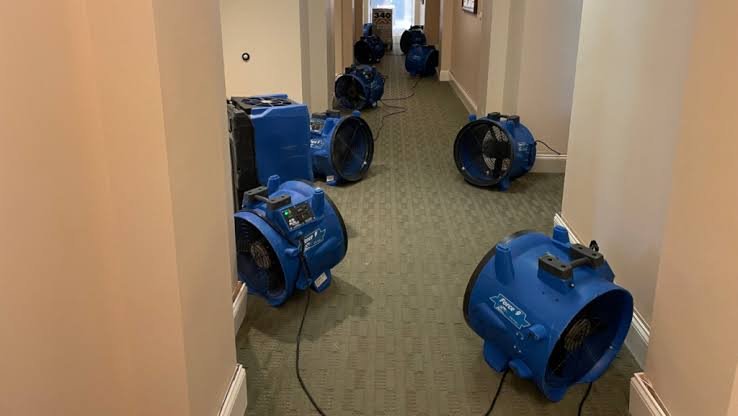
Sanitization is the next critical phase. Technicians apply hospital-grade disinfectants and antimicrobial treatments to all affected surfaces, neutralizing pathogens at the microscopic level. Finally, industrial air scrubbers and dehumidifiers are deployed to dry out the structure completely, ensuring that humidity levels return to normal and eliminating the conditions that foster mold proliferation.
Steps to Take Before the Professionals Arrive
While you wait for your chosen sewage cleaning service to reach your property, taking a few cautious steps can help mitigate further damage and ensure safety:
- Evacuate the Area: Keep children, pets, and unauthorized individuals away from the contaminated zone to prevent accidental exposure to pathogens.
- Shut Off Utilities: If it is safe to do so without stepping in standing water, turn off the electricity to the affected areas to prevent electrical shock hazards. Turn off the main water valve if the backup is ongoing.
- Avoid Contact: Do not touch, walk through, or attempt to clean up the wastewater without proper protective gear.
- Document the Damage: Take clear photographs and videos of the affected areas and damaged belongings. This visual evidence will be crucial when filing an insurance claim.
- Contact Your Insurance Provider: Notify your insurance agent about the incident to understand your policy coverage and start the claims process promptly.
Long-Term Prevention and Maintenance
Once the crisis has passed and your property has been fully restored, taking proactive measures can prevent future sewage emergencies. Regular plumbing maintenance is your best defense against unexpected backups. Schedule annual inspections with a licensed plumber to check your main sewer line for root intrusion, structural cracks, or grease buildup.
If your property is prone to municipal sewer line surges during heavy rainstorms, consider installing a backwater prevention valve. This specialized device allows wastewater to flow out of your home while automatically closing to prevent municipal water from backing up into your plumbing system. Additionally, be mindful of what goes down your drains; never flush wipes (even those labeled “flushable”), paper towels, feminine hygiene products, or cooking grease, as these are primary culprits behind severe main line blockages.
Navigating a sewage backup is undoubtedly daunting, but swift and professional action makes all the difference. Recognizing the limits of DIY cleaning and partnering with a qualified sewage cleaning service ensures that your home or business is restored to a safe, sanitary, and healthy condition for everyone who enters.