

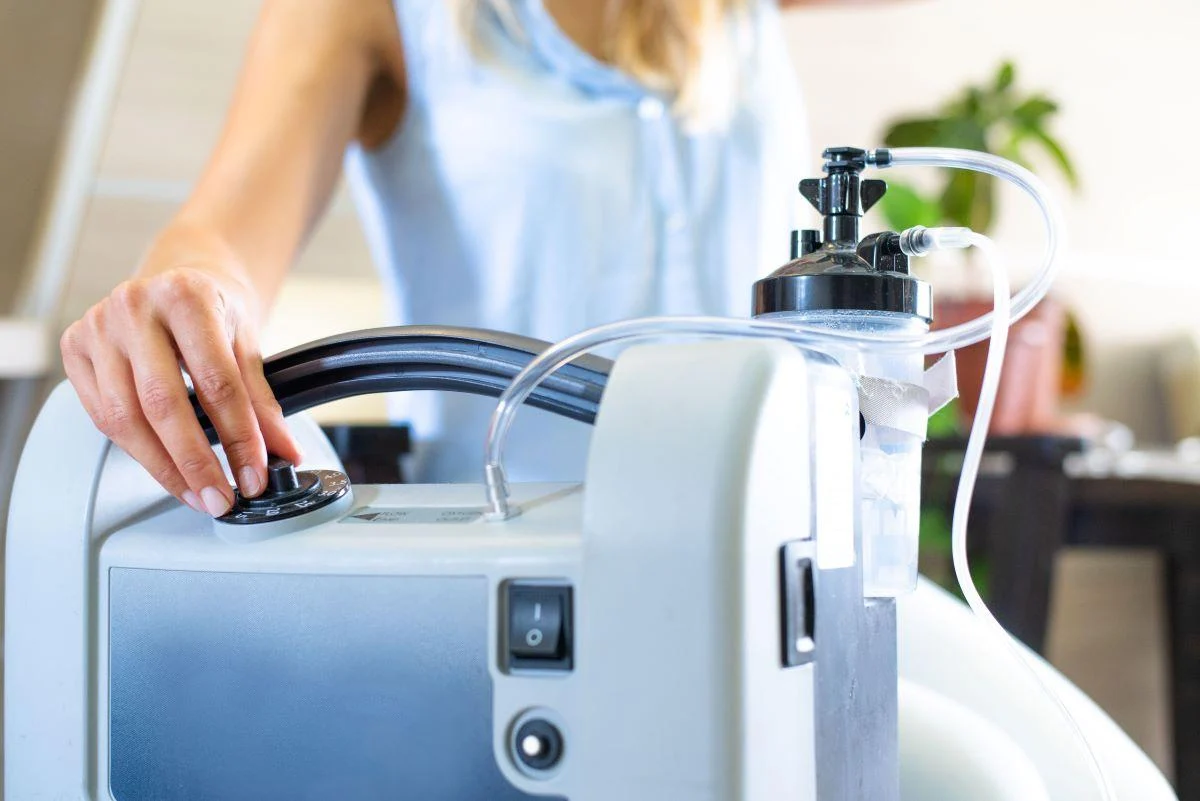
A home oxygen concentrator is an important medical device designed to provide supplemental oxygen to people who need it. Because the machine may operate for several hours each day, proper maintenance is essential for reliable performance, efficient oxygen delivery, and a longer service life. Regular care can also help reduce the risk of avoidable problems caused by dust, blocked filters, moisture, or improper use.
For households using a 家用氧氣機, understanding basic maintenance practices can make daily oxygen therapy more convenient and dependable. Although specific procedures vary by manufacturer and model, several general maintenance habits apply to most oxygen concentrators.
Keep the Concentrator in a Clean Location
The environment around an oxygen concentrator can have a major effect on its performance. Place the device in a clean, dry, and well-ventilated area where air can circulate freely around the intake and exhaust openings.
Avoid placing the concentrator directly against a wall, behind furniture, under blankets, or inside a cabinet. Restricted airflow can cause the machine to work harder and may lead to overheating.
The area should also be relatively free from dust, smoke, pet hair, and other airborne particles. Keeping the surrounding space clean helps reduce the amount of debris entering the machine.
Clean the Exterior Regularly
Dust can accumulate on the outside of a concentrator over time. Use a soft, slightly damp cloth to wipe the exterior surfaces according to the manufacturer’s recommendations. Before cleaning, turn the machine off and disconnect it from the power source when appropriate.
Never pour or spray liquid directly onto the concentrator. Moisture entering electrical components can cause damage and create safety risks.
A regular cleaning schedule can prevent dust from building up around ventilation openings and control panels. For households with pets or dusty indoor environments, more frequent exterior cleaning may be beneficial.
Check and Clean the Air Filter
The air filter is one of the most important components to monitor. It helps prevent dust and other particles from entering the concentrator. A dirty or clogged filter can restrict airflow and reduce the machine’s ability to operate efficiently.
Many models have removable filters that can be cleaned according to the manufacturer’s instructions. Some filters can be washed, while others are designed to be replaced rather than cleaned. Never assume that every filter can be washed.
Check the user manual to determine the correct cleaning method and replacement schedule. Allow washable filters to dry completely before reinstalling them. Operating the machine with a wet filter may damage the device.
Inspect Tubing and Oxygen Accessories
Oxygen tubing should be checked regularly for cracks, holes, kinks, discoloration, or other signs of damage. A damaged tube may allow oxygen to escape before it reaches the user.
Make sure the tubing is not trapped beneath furniture or sharply bent. Excessive bends can interfere with oxygen flow. Replace tubing and other disposable accessories when recommended by the manufacturer or healthcare provider.
If a nasal cannula is being used, inspect it regularly and follow appropriate cleaning or replacement instructions. Personal oxygen accessories should be maintained according to medical guidance to support hygiene and reliable oxygen delivery.
Pay Attention to Moisture and Humidifier Bottles
Some oxygen therapy systems use a humidifier bottle to add moisture to the oxygen. If your equipment includes one, it requires regular attention.
Use the type and amount of water specified by the equipment manufacturer or healthcare professional. The bottle should be cleaned and dried according to its instructions. Standing water can encourage microbial growth if the equipment is not maintained properly.
Never add substances, fragrances, essential oils, or other liquids unless they are specifically approved for use with the equipment. Doing so can damage the device or create health and safety concerns.
Monitor Alarms and Warning Indicators
Modern oxygen concentrators often include alarms or indicator lights that alert users to potential problems. These warnings should never be ignored.
If the machine produces an unusual alarm, check the user manual for the meaning of the warning. Common causes can include restricted airflow, power interruptions, overheating, or other operating issues.
Do not repeatedly silence an alarm without identifying its cause. If the problem continues, contact the equipment provider, manufacturer, or appropriate healthcare professional for assistance.
Protect the Machine From Heat and Moisture
Extreme temperatures and moisture can affect electrical and mechanical components. Keep the concentrator away from radiators, heaters, direct sunlight, bathrooms, and areas where water may splash onto the device.
The machine should generally be operated within the temperature and humidity ranges specified by the manufacturer. If the concentrator becomes unusually hot, develops a burning smell, or behaves abnormally, stop using it and seek professional assistance.
Follow the Manufacturer’s Maintenance Schedule
Every 家用氧氣機 may have different maintenance requirements. The manufacturer’s manual should always be the primary reference for cleaning, filter replacement, servicing, and operating procedures.
Some concentrators require periodic professional inspection or replacement of internal components. Users should not attempt to open the machine or repair internal electrical parts unless they are specifically qualified and authorized to do so.
Keeping a record of routine maintenance can also be helpful. Note when filters were cleaned or replaced, when accessories were changed, and when professional servicing was completed.
Use the Correct Power Supply
A stable power supply is essential for reliable concentrator operation. Connect the device according to the manufacturer’s instructions and avoid using damaged electrical cords or unsuitable extension equipment.
Keep power cables away from water and areas where they could be crushed or tripped over. If the power cord becomes frayed, cracked, or damaged, discontinue use and arrange for an appropriate replacement.
Because oxygen concentrators depend on electricity, households that rely heavily on supplemental oxygen should also discuss an appropriate backup oxygen plan with their healthcare provider or equipment supplier in case of a power outage.
Recognize Signs That Professional Service Is Needed
Routine maintenance can prevent many problems, but it cannot replace professional servicing. Contact the appropriate service provider if the concentrator produces unusual noises, repeatedly triggers alarms, becomes excessively hot, shows visible damage, or appears to deliver oxygen differently from normal.
Users should not attempt to diagnose or repair internal components themselves. Oxygen therapy is medically important, so equipment problems should be handled promptly and appropriately.
Create a Simple Maintenance Routine
A practical maintenance routine makes it easier to care for an oxygen concentrator consistently. Check the machine’s exterior and ventilation areas regularly, inspect tubing and accessories, monitor filters, and follow the recommended cleaning schedule.
It can also help to keep the manufacturer’s manual somewhere accessible. Family members or caregivers who assist with oxygen therapy should understand basic operating and maintenance procedures as well.
Most importantly, maintenance should complement—not replace—the instructions provided by the healthcare team and equipment manufacturer.
Conclusion
Maintaining a home oxygen concentrator properly can support dependable performance and help extend the useful life of the equipment. Simple habits such as keeping the machine clean, maintaining adequate airflow, checking filters, inspecting tubing, managing humidifier equipment, and responding appropriately to alarms can make a significant difference.
For anyone using a 家用氧氣機, the safest approach is to combine regular household maintenance with professional servicing and medical guidance. Every model has specific requirements, so always follow the manufacturer’s instructions and consult the appropriate healthcare or equipment professional whenever there is uncertainty. With consistent care and responsible use, an oxygen concentrator can remain a reliable part of an individual’s daily oxygen therapy routine.