

Introduction
Customizing a car is an exciting way to express personal style, improve its appearance, and create a vehicle that stands out on the road. One of the most popular modifications among car enthusiasts is installing a bodykit. bodykits can transform an ordinary vehicle into a sporty, aggressive, elegant, or performance-inspired machine. With different designs, materials, and installation options available, choosing the right bodykit requires careful consideration.
Whether you drive a compact hatchback, a family sedan, a sports coupe, or an SUV, the right bodykit can give your vehicle a distinctive appearance. However, appearance is only one factor to consider. Compatibility, durability, cost, maintenance, and everyday practicality are equally important when selecting a suitable design.
This guide explains what bodykits are, explores their different styles, and provides practical advice to help you choose the perfect option for your car.
What Is a Car Bodykit?
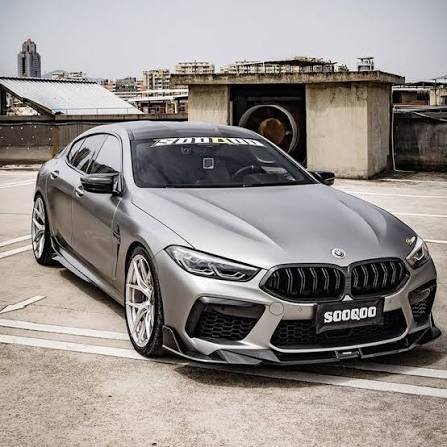
A car bodykit is a collection of exterior components designed to modify a vehicle’s appearance. Depending on the design, a bodykit may include front and rear bumpers, side skirts, front splitters, rear diffusers, spoilers, and other decorative or aerodynamic elements.
Some bodykits are designed primarily for visual customization, while others are developed to improve aerodynamic performance. The results depend on the design, installation quality, and vehicle specifications.
Bodykits are available in different styles, ranging from subtle factory-inspired upgrades to dramatic widebody conversions. Drivers can choose a complete kit for a coordinated appearance or install individual components to achieve a more understated transformation.
Understanding Different Bodykit Styles
Before purchasing a bodykit, it is important to understand the main styles available. Each offers a different appearance and serves different preferences.
1. Sporty Bodykits
Sporty bodykits are ideal for drivers who want their vehicles to look more dynamic and performance-oriented. These kits often feature sculpted bumpers, prominent side skirts, larger air openings, and rear spoilers.
The design typically emphasizes sharp lines and a lower-looking stance. Sporty bodykits work particularly well on coupes, hatchbacks, and sedans with naturally athletic proportions.
When choosing this style, consider how the components complement the original body shape. A balanced design usually looks more appealing than adding numerous oversized elements that compete for attention.
2. OEM-Style Bodykits
Original Equipment Manufacturer (OEM)-style bodykits replicate or take inspiration from factory styling packages. They usually follow the vehicle’s original design language, making them suitable for drivers who prefer a clean and professional appearance.
These kits may include slightly redesigned bumpers, subtle side skirts, and modest spoilers. Because the styling remains close to the original design, OEM-inspired modifications are often easier to coordinate with factory paint colors and existing exterior features.
This style is particularly suitable for daily drivers, company vehicles, and owners who want customization without an exaggerated appearance.
3. Widebody Kits
Widebody kits extend the vehicle’s bodywork around the wheel arches, creating a wider and more muscular appearance. They are especially popular among enthusiasts interested in show cars, motorsport-inspired builds, and customized performance vehicles.
Depending on the design, a widebody conversion may require additional modifications to the wheels, tires, suspension, and body panels. Installation can also involve more extensive labor than fitting a conventional bodykit.
Before selecting a widebody kit, confirm that the additional width is appropriate for your vehicle and local road conditions. Consider parking spaces, narrow streets, tire clearance, and applicable vehicle regulations.
4. Luxury Bodykits
Luxury bodykits emphasize sophistication rather than an aggressive racing appearance. They may feature smooth bumper extensions, elegant side skirts, refined rear diffusers, and carefully integrated spoilers.
The objective is to enhance the vehicle’s proportions without overwhelming its original design. Premium sedans, luxury coupes, and selected SUVs can benefit from this approach.
For the best results, choose components that match the vehicle’s character and avoid combining too many contrasting design elements.
5. Aerodynamic Bodykits
Aerodynamic bodykits are designed with airflow in mind. Depending on their engineering, components such as front splitters, underbody panels, diffusers, and rear wings can influence airflow and vehicle stability.
However, not every component marketed as aerodynamic provides measurable performance improvements. Effectiveness depends on factors such as vehicle speed, component shape, mounting position, and overall aerodynamic balance.
Drivers who prioritize performance should select products developed and tested for their specific vehicle rather than relying entirely on appearance.
Choosing the Right Bodykit for Your Car
Selecting a bodykit involves more than choosing an attractive photograph. Several practical considerations can help you make a better decision.
Consider Your Vehicle Model
Compatibility should be your first priority. Bodykits are often designed for particular makes, models, generations, and sometimes specific trim levels.
Even vehicles that appear nearly identical may have different bumper shapes, mounting points, sensors, or exhaust arrangements. A kit designed for one version may not fit another without modifications.
Check the manufacturer’s compatibility information before placing an order. If possible, confirm the exact model year and trim with the supplier.
Define Your Preferred Appearance
Think about the overall look you want to achieve. Do you prefer a subtle factory-inspired finish, a sporty design, or a dramatic show-car appearance?
Establishing a clear direction helps prevent mismatched modifications. For example, an elegant bodykit may look inconsistent when combined with oversized racing-style accessories.
Collect reference images of vehicles similar to yours and compare their bumper shapes, side profiles, wheel designs, and rear styling. This makes it easier to identify a consistent visual theme.
Select Suitable Materials
Bodykits are manufactured using several materials, each with different advantages.
ABS plastic: ABS is commonly used for exterior automotive components because it offers flexibility, impact resistance, and suitability for molded designs. It can be a practical option for everyday vehicles.
Fiberglass: Fiberglass allows manufacturers to produce detailed shapes and custom designs. It is often used for aftermarket kits, although it may be more vulnerable to cracking under certain impacts.
Polyurethane: Polyurethane components can offer useful flexibility, which may help them tolerate minor impacts better than some rigid alternatives.
Carbon fiber: Carbon fiber is valued for its distinctive appearance and favorable strength-to-weight characteristics. However, it can be expensive, and quality varies between products.
Choose materials according to your budget, driving conditions, maintenance expectations, and intended use.
Set a Realistic Budget
The purchase price is only one part of the total cost. Installation, paintwork, shipping, fitting adjustments, replacement clips, and additional hardware can increase the final expense.
A cheaper kit may require extensive preparation before it fits correctly, while a more expensive option may offer better fitment and finishing.
Request a complete estimate before committing to a purchase. Compare the quality of materials, included components, warranty terms, and installation requirements instead of focusing exclusively on price.
The Importance of Proper Installation
Even a well-designed bodykit can look disappointing when installed incorrectly. Poor alignment, uneven gaps, loose fasteners, and mismatched paint can affect both appearance and safety.
Professional installation is worth considering, especially for complex kits or vehicles equipped with parking sensors, cameras, and advanced driver-assistance systems.
Before installation, inspect the components for damage and test-fit them according to the manufacturer’s instructions. Any necessary adjustments should be completed before painting whenever possible.
After installation, confirm that all parts are securely attached and that headlights, sensors, cooling openings, exhaust outlets, and other essential features operate correctly.
Bodykit Practicality for Everyday Driving
A bodykit should complement your lifestyle as well as your vehicle. Drivers who regularly travel over speed bumps, uneven roads, steep driveways, or poorly maintained streets should pay particular attention to ground clearance.
Low front splitters and extended side skirts can scrape against road surfaces. Widebody modifications may also affect maneuverability and the vehicle’s overall dimensions.
Consider the climate and driving environment where you live. Heavy rain, road debris, and frequent parking in crowded spaces can influence which components are practical.
For everyday use, a moderate bodykit with durable materials and secure mounting is often easier to maintain than an extremely low or wide design.
Color Matching and Finishing
Paintwork plays a major role in the final appearance of a bodykit. Matching the original vehicle color can create a factory-like finish, while contrasting colors can highlight individual components.
Before painting, verify that the panels fit correctly and that the surface has been properly prepared. Differences in paint formulation, surface texture, and application can cause visible variations even when the color code is correct.
Some owners choose gloss black accents, carbon-fiber finishes, or carefully selected contrasting details. These approaches can work well when they complement the vehicle’s existing styling.
The goal is to create a coordinated appearance rather than adding decorative elements without a clear plan.
Common Mistakes to Avoid
One common mistake is purchasing a bodykit based solely on photographs. Images may not accurately represent material quality, fitment, or the final appearance on your particular vehicle.
Another mistake is ignoring the total installation cost. A low-priced kit can become expensive if it requires extensive adjustments or additional parts.
Avoid choosing components that interfere with lighting, cooling, sensors, or other essential systems. Similarly, do not assume that a large spoiler or oversized diffuser automatically improves performance.
Finally, check local vehicle modification regulations, insurance requirements, and inspection standards before making significant changes.
Conclusion
Choosing the perfect bodykit for your car involves balancing style, compatibility, durability, budget, and practicality. Sporty kits provide an energetic appearance, OEM-style options offer subtle refinement, widebody designs create a more muscular profile, and aerodynamic packages focus on airflow and stability.
Start by identifying your preferred design, confirming compatibility with your exact vehicle, and comparing material quality. Include installation and finishing costs in your budget, and consider how the modifications will perform under everyday driving conditions.
A carefully selected and professionally installed bodykit can give your vehicle a distinctive identity while preserving its usability. By researching your options and planning each modification thoughtfully, you can achieve a personalized appearance that suits both your car and your lifestyle.