

Introduction
Technology is becoming an increasingly important part of everyday life, changing how people communicate, manage their health, stay active, and organize their daily routines. Among the most exciting developments is wearable technology, which allows users to access useful digital features through devices worn on their bodies. From smartwatches and fitness trackers to smart rings and connected glasses, wearable devices are creating new opportunities for convenient and personalized living.
The popularity of wearable technology continues to grow as consumers look for practical ways to monitor their well-being, improve productivity, and stay connected. Modern wearables combine sensors, wireless connectivity, artificial intelligence, and mobile applications to provide information that was once difficult to access without specialized equipment.
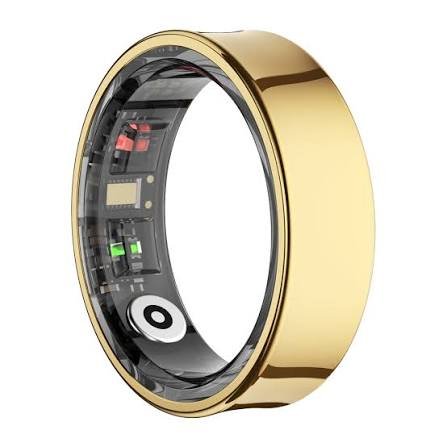
One particularly interesting development is the rise of smart rings. These compact devices offer selected health-monitoring and activity-tracking features without requiring users to wear a traditional watch. For consumers looking for affordable alternatives, a budget smart ring with heart rate tracking can be an appealing option. Products such as the colmi r09 smart ring demonstrate the growing interest in compact wearable devices designed to combine everyday convenience with accessible technology.
As innovation continues, several important wearable technology trends are shaping the future of smart living. Understanding these developments can help consumers make informed decisions about which devices best suit their lifestyles.
The Growing Popularity of Smart Wearable Devices
Wearable technology has evolved significantly from basic pedometers and digital watches. Today’s devices can collect different types of information, connect with smartphones, and provide personalized insights through dedicated applications.
Smartwatches remain popular because they combine communication, fitness tracking, notifications, and other digital tools in one device. Fitness bands appeal to people who prefer simpler activity monitoring, while smart rings attract users interested in compact designs.
The growing variety of wearable products means that consumers can choose devices according to their budgets, preferences, and daily needs. Some people prioritize advanced fitness features, while others value battery life, comfort, or a discreet appearance.
Another important factor is accessibility. As manufacturers introduce products across different price ranges, wearable technology is becoming available to a wider audience. Consumers no longer need to purchase an expensive smartwatch to explore basic activity tracking or selected health-related features.
This shift toward practical and affordable devices is likely to remain an important part of the wearable technology market.
Smart Rings Are Transforming Everyday Wearables
Compact Designs for Modern Lifestyles
Smart rings are emerging as an interesting alternative to traditional wearable devices. Their small size makes them suitable for people who prefer lightweight accessories and do not want another screen on their wrists.
Unlike smartwatches, most smart rings focus on collecting information in the background. Depending on the model, they may offer heart rate monitoring, sleep tracking, activity measurements, or other wellness-related features. The available functions vary between products, so checking individual specifications is essential.
Because smart rings resemble conventional jewelry, they can also fit naturally into professional environments, casual outfits, and everyday routines.
Affordable Smart Rings for Budget-Conscious Consumers
Price is an important consideration when choosing wearable technology. Premium smart rings can be expensive, particularly when they include advanced sensors, sophisticated applications, or subscription-based services.
A budget smart ring with heart rate tracking may offer an accessible starting point for people interested in exploring wearable health technology. Such devices can provide selected monitoring functions without requiring the higher initial investment associated with premium alternatives.
The colmi r09 smart ring is one product consumers may encounter when researching affordable smart ring options. Before purchasing, buyers should review its current specifications, supported features, smartphone compatibility, battery performance, sizing options, and application requirements.
It is also important to distinguish between basic heart rate tracking and comprehensive health monitoring. A device that measures heart rate does not necessarily provide medical-grade measurements or detect every potential health problem.
Choosing a wearable based on realistic expectations helps consumers get greater value from their purchase.
Health Monitoring Is Becoming More Personalized
Continuous Heart Rate Tracking
Heart rate monitoring is one of the most recognizable features of modern wearable technology. Depending on the device, optical sensors can estimate heart rate by detecting changes in blood flow near the skin.
This information can help users observe general patterns during rest, everyday activities, and exercise. Over time, the collected measurements may provide a broader picture of how activity levels and daily routines relate to personal wellness.
Wearable devices differ in measurement frequency and accuracy. Movement, device fit, skin contact, and sensor quality can influence results. Therefore, readings should be interpreted as estimates rather than definitive medical assessments.
For consumers exploring smart rings, heart rate tracking can be a useful feature when evaluating different products.
Sleep Tracking and Recovery Insights
Sleep technology is another major trend in the wearable industry. Many modern devices attempt to estimate sleep duration, identify sleep periods, and provide summaries of nighttime patterns.
Some products also estimate sleep stages or combine sleep information with activity measurements to provide general recovery insights. These features can encourage users to maintain consistent routines and pay attention to rest.
However, wearable sleep measurements are not always equivalent to professional sleep assessments. Their accuracy varies, and users should avoid treating individual readings as a diagnosis.
The most useful approach is to focus on longer-term patterns rather than worrying about every nightly measurement.
Supporting Healthier Daily Habits
Wearables can encourage healthier routines by making personal activity information easier to understand. Step counts, movement reminders, exercise summaries, and heart rate estimates may motivate users to become more aware of their daily habits.
For example, someone who spends long periods sitting at a desk may use activity reminders to take regular breaks. Another person might review exercise summaries to understand how consistently they meet personal fitness goals.
These features are most valuable when they support realistic habits instead of creating unnecessary pressure. Technology should make everyday wellness easier to manage, not turn every measurement into a source of concern.
Artificial Intelligence Is Enhancing Wearable Technology
Personalized Recommendations
Artificial intelligence is becoming increasingly important in wearable devices and their companion applications. AI-powered systems can analyze collected information and identify patterns that may be difficult for users to notice manually.
For example, an application might summarize changes in activity levels or highlight differences between weekday and weekend sleep routines. Some platforms use historical information to generate personalized suggestions based on a user’s established habits.
The quality of these recommendations depends on the information collected, the algorithms used, and the limitations of the device.
AI should support informed decision-making rather than replace professional advice when medical concerns arise.
Smarter Fitness Assistance
Wearable technology is also improving the way people approach physical activity. Depending on the device, software can help users review workout duration, monitor estimated heart rate, track movement, and compare performance across sessions.
More advanced systems may provide adaptive recommendations based on activity history and personal goals.
In the future, wearable devices may become better at combining information from several sources, including smartphones, exercise equipment, and compatible health platforms.
This development could make fitness guidance more convenient and personalized, although users should always consider the accuracy and limitations of the measurements involved.
Smartwatches Are Becoming Everyday Productivity Tools
Notifications and Communication
Smartwatches have developed into useful companions for smartphones. Many models allow users to view messages, receive calls, manage notifications, and access selected applications without constantly reaching for their phones.
This can be particularly helpful during exercise, commuting, or busy workdays. Users can quickly identify important notifications while reducing unnecessary phone interactions.
The available communication features depend on the model, operating system, and connection method. Some watches support independent cellular connectivity, while others rely on a nearby smartphone.
Payments, Navigation, and Digital Convenience
Compatible smartwatches can simplify routine tasks through contactless payments, navigation assistance, reminders, and calendar notifications.
Instead of opening several applications on a phone, users may complete selected actions directly from their wrists.
These features illustrate how wearable technology is moving beyond fitness tracking and becoming part of the broader digital lifestyle.
As payment systems and connected services expand, security and compatibility will remain important considerations for consumers.
Smart Glasses Are Creating New Digital Experiences
Smart glasses represent another developing area of wearable innovation. These devices may combine conventional eyewear with cameras, microphones, speakers, voice assistants, or visual information displays.
Depending on the model, users may be able to listen to audio, capture photographs, receive spoken directions, or interact with digital assistants without holding a phone.
Some advanced designs explore augmented reality, which places digital information within the user’s view of the physical environment.
Potential applications include navigation, workplace assistance, education, accessibility, and hands-free communication.
However, smart glasses also introduce questions about privacy, recording permissions, battery life, comfort, and the social acceptability of cameras in public places.
Future improvements will need to balance useful functionality with responsible design.
Wearable Technology Is Improving Fitness and Sports
Real-Time Activity Information
Athletes and recreational exercisers increasingly use wearable devices to understand their training routines. Depending on the product, these devices may measure movement, estimate heart rate, record workout duration, or connect with GPS-enabled smartphones.
The information can help users compare sessions and evaluate whether their routines are consistent with their goals.
For example, a runner may review activity duration and estimated heart rate after a workout. Someone beginning a walking routine might use step counts to monitor progress over several weeks.
Wearable data should be considered alongside personal comfort and overall well-being. More measurements do not automatically mean better training decisions.
Making Fitness More Accessible
Wearable technology can make basic activity tracking accessible to people who do not participate in competitive sports.
Affordable fitness bands and smart rings may offer selected features that help users understand everyday movement and develop consistent habits.
For someone comparing entry-level devices, a budget smart ring with heart rate tracking may be worth considering if the product provides suitable measurements, reliable application support, and comfortable sizing.
The right choice depends on the intended use. People who need detailed GPS maps, large on-device displays, or specialized workout modes may prefer a smartwatch or dedicated sports watch instead.
Battery Life and Energy Efficiency Are Key Trends
Battery performance has a major influence on the wearable experience. A device may include attractive features, but frequent charging can make it less convenient to use consistently.
Manufacturers are working to balance processing power, sensor activity, wireless connectivity, and battery capacity.
Smart rings have an advantage in physical size because their compact designs encourage manufacturers to focus on carefully selected functions. However, their small batteries also limit how much power they can store.
Battery life varies according to hardware, usage, settings, and software. Continuous measurements, frequent notifications, and regular synchronization can affect how long a device operates between charges.
Consumers should compare realistic battery-life claims, charging methods, and replacement policies rather than relying only on advertised maximum figures.
Improved energy efficiency will remain essential as wearables become more capable.
Connected Wearables Are Becoming Part of Smart Homes
Smart living involves more than individual gadgets. Wearable devices are increasingly connected to smartphones, home automation platforms, and other compatible digital products.
For example, a smartwatch may allow a user to control selected smart-home functions, receive security alerts, or interact with a voice assistant. Some ecosystems also use wearable devices for access control or personalized automation.
Imagine arriving home and using a compatible wearable to unlock a connected door or activate a lighting routine. These functions can reduce friction in everyday tasks when the devices and services support the necessary integrations.
Future developments may allow wearables to work more smoothly with household appliances, connected vehicles, and personal digital assistants.
Compatibility, cybersecurity, and reliable connectivity will determine how useful these connected experiences become.
Privacy and Data Security Are Essential Considerations
Wearable devices often collect personal information, including activity patterns, sleep estimates, and heart rate measurements. Some products may also process location information or other sensitive data.
This makes privacy an important part of choosing and using wearable technology.
Before purchasing a device, consumers should review its privacy policy, understand what information the companion application collects, and check whether data is shared with third parties.
It is also sensible to use strong account passwords, install software updates, and review application permissions regularly.
People should be cautious about granting unnecessary access to contacts, location services, microphones, or other phone features.
Manufacturers that provide clear privacy controls and explain their data practices can help build greater consumer confidence.
As wearable technology becomes more integrated into everyday life, responsible data management will become increasingly important.
How to Choose the Right Wearable for Smart Living
Selecting the right wearable begins with identifying personal priorities. A product with many features is not necessarily the best option if most of those functions will never be used.
Consider Your Main Purpose
Think about why you want a wearable device. If you primarily want to monitor activity and heart rate, a simple fitness band or smart ring may be sufficient.
If you need message notifications, navigation, applications, and workout controls, a smartwatch may provide greater flexibility.
People interested in hands-free audio or visual assistance may prefer smart glasses.
Compare Features and Compatibility
Review the product specifications before making a purchase. Important considerations include supported measurements, smartphone compatibility, application availability, charging requirements, water-resistance ratings, and warranty coverage.
For a product such as the colmi r09 smart ring, verify the current feature list and compatibility information from the seller or manufacturer. Do not assume that every smart ring supports the same measurements or software functions.
Evaluate Price and Long-Term Value
Affordable devices can be useful, but the lowest purchase price does not always represent the best overall value.
Consider whether the product requires a paid subscription, whether replacement accessories are available, and how easily it can be maintained.
Also check return policies and sizing arrangements, especially when buying a ring online. A comfortable fit and dependable software support can make a significant difference to everyday usability.
The Future of Wearable Technology
The next generation of wearables is likely to focus on better personalization, more efficient sensors, improved battery performance, and smoother integration with digital services.
Smaller devices may offer increasingly useful features without requiring large displays. Smart rings could become more sophisticated, while smartwatches may improve their communication and health-related capabilities.
Artificial intelligence may help transform raw measurements into clearer summaries and more relevant recommendations. At the same time, better privacy controls and more transparent data practices will be necessary to maintain user trust.
Wearable devices may also become more accessible as manufacturers introduce products for different budgets and needs. This could allow more consumers to benefit from everyday activity tracking and connected convenience.
Nevertheless, technological progress should be evaluated carefully. New features are useful only when they are reliable, understandable, and appropriate for the intended purpose.
Conclusion
Wearable technology is shaping the future of smart living by making digital information more accessible, personal, and convenient. Smartwatches support communication and productivity, fitness trackers encourage everyday movement, smart glasses explore hands-free interaction, and smart rings provide a compact alternative for selected monitoring features.
Health tracking, artificial intelligence, battery efficiency, connected homes, and privacy protection are among the most important trends influencing this industry.
For consumers seeking an accessible introduction to wearable technology, a budget smart ring with heart rate tracking may be a practical option to investigate. The colmi r09 smart ring is one product to compare when evaluating affordable smart rings, provided buyers verify its specifications, compatibility, and limitations before purchasing.
Ultimately, the best wearable is the one that fits an individual’s lifestyle, offers genuinely useful features, and provides a comfortable, secure, and dependable experience. As wearable technology continues to evolve, it is likely to play an increasingly important role in helping people stay connected, understand their daily routines, and make more informed decisions about smart living.